Fund ICE for Three Years. Also Build the Ballroom.
What happened
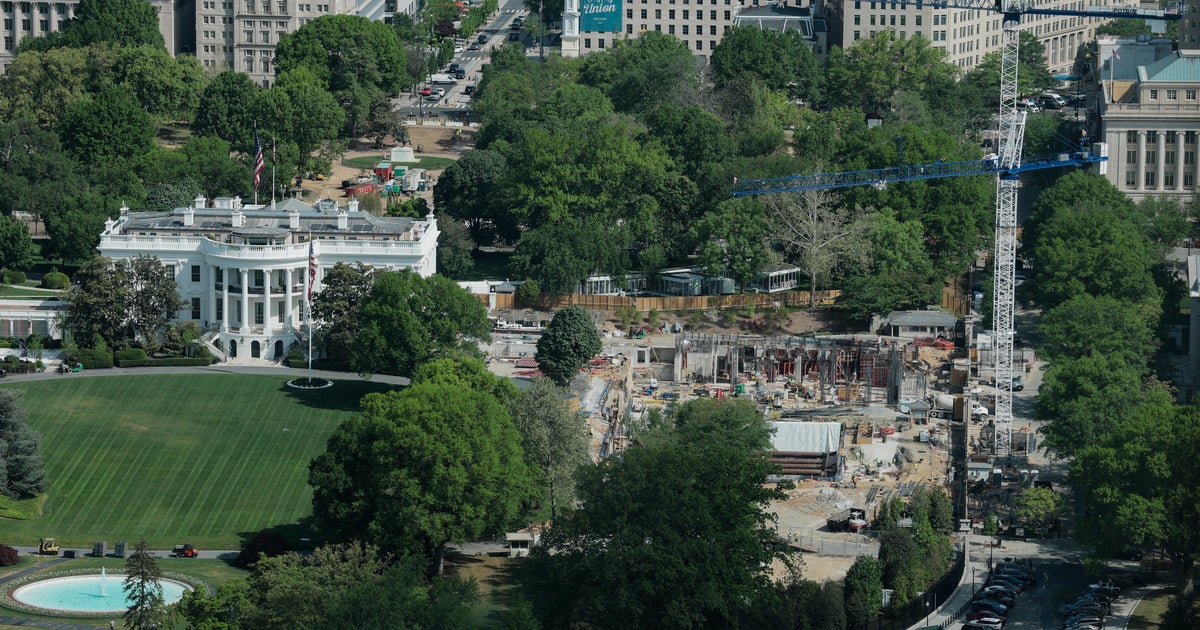
Senate Republicans returned Monday from a week-long recess to advance a reconciliation package funding immigration enforcement agencies through fiscal year 2029 at $72 billion. The package, drafted by Senate Judiciary Committee Chairman Chuck Grassley, includes a $1 billion request for security upgrades tied to President Trump's ongoing renovation of the White House East Wing, which includes a large ballroom. Democrats immediately framed the ballroom inclusion as a corruption issue, with Senate Minority Leader Schumer sending a Dear Colleague letter calling it an illegal personal benefit. Key Republicans indicated willingness to support the security framing, but swing-state members face a difficult vote ahead of November midterms. Polymarket puts the ballroom project being unblocked by May 31 at 52%.
Republicans have the votes to fund ICE for three years. The ballroom ask is not a policy disagreement: it is a political gift to Democrats that Trump is forcing his own party to defend six months before an election.
Prediction Markets
Prices as of 2026-05-12 — the analysis was written against these odds
The Hidden Bet
The ballroom security funding is legally distinct from personal benefit to Trump
White House security improvements funded by Congress have clear precedent, and the physical security framing is technically accurate. But the underlying renovation, a large ballroom in the East Wing, is a personal project Trump announced before the security request was added. The sequencing matters: Trump added a personal amenity to the White House and then required federal security funding for it. That is different from Congress funding security upgrades for existing infrastructure.
Swing-state Republicans can vote for the ballroom ask and absorb the political cost
The ICE funding is genuinely popular in most Republican districts. The ballroom is not. Coupling them forces moderates to either vote against a security priority they support or hand Democrats a campaign ad they will run for six months. The White House is asking these members to take the political hit as a loyalty test, not because the ballroom inclusion is necessary for the bill to function.
This is primarily about border security
The $72 billion ICE funding package locks in enforcement levels for three years, binding a future Congress. It also expands detention capacity, adds immigration judges, and funds interior enforcement operations in sanctuary cities. The debate about the ballroom is providing cover for the fact that the underlying bill is one of the most structurally consequential immigration enforcement commitments Congress has made in decades, and it is passing with almost no floor debate.
The Real Disagreement
The core tension is between two things Senate Republicans actually believe but cannot say simultaneously. Belief one: the ICE funding is legitimate, necessary, and politically popular. Belief two: the ballroom ask is indefensible as a matter of principle and damaging as a matter of politics. Most Republican senators believe both things. But saying both things requires either crossing Trump or openly admitting that the bill contains a personal benefit to the president. The leadership strategy is to say nothing specific about the ballroom while voting for everything. Whether vulnerable members can survive that posture in November depends on whether Democrats can make the ballroom the story rather than the border.
What No One Is Saying
The reconciliation process being used here is the same mechanism Republicans have reserved for budget-critical priorities since 2017. Using it to pass both a three-year immigration enforcement commitment and a presidential amenity in the same bill is a structural corruption of the process: reconciliation was designed to bypass filibuster on fiscal measures, not to bundle policy priority with personal benefit. The precedent being set is that any item the White House wants is a fiscal priority by definition, because the president says so.
Who Pays
Swing-state Senate Republicans up in November
Immediate; the vote will be in general election ads within 48 hours
Each member who votes for this package hands their likely opponent a straightforward ad: 'Senator X voted to give Trump a ballroom while cutting [pick a spending category Democrats can credibly name].' The White House's calculation is that base enthusiasm for ICE funding outweighs the ballroom liability. It may be right. But the members taking the vote, not the White House, bear the cost of being wrong.
Undocumented workers in interior cities
Operations begin within weeks of the bill's passage
The $72 billion package significantly expands ICE interior enforcement beyond the border, adding resources for operations in major cities. For the millions of people living in the US without documentation who have been present for years and are not recent border crossers, this is not an abstract policy debate: it is a direct increase in their personal risk of detention.
Scenarios
Ballroom Stripped, Bill Passes
Enough Republican senators signal they cannot vote for the ballroom provision. Grassley removes it before the floor vote. The ICE funding package passes 51-49 or better. Trump accepts the outcome and frames it as a border security win.
Signal Grassley announces a manager's amendment removing the ballroom line item before the scheduled floor vote
Ballroom Stays, Bill Passes Anyway
Republican leadership holds the caucus together. All 53 Republican senators vote for the package including the ballroom provisions. Democrats use it in campaign advertising for six months. The bill becomes law.
Signal A vote count of 53 Republican yes votes holds through procedural votes
Bill Delayed Past the Recess
The ballroom controversy creates enough internal Republican friction to delay a floor vote. Republicans go home for another break without passing the bill. Trump signals displeasure. The political cost of delay rises.
Signal Senate leadership announces no imminent floor vote date as of May 16
What Would Change This
If Trump publicly said he does not need the ballroom security funding in this bill, that would mean the ballroom ask was a loyalty test rather than a genuine legislative priority. He will not say this, because whether or not he needs the money, he needs to know who votes against him.