Day 72: The DHS Shutdown Has Already Won by Continuing
What happened
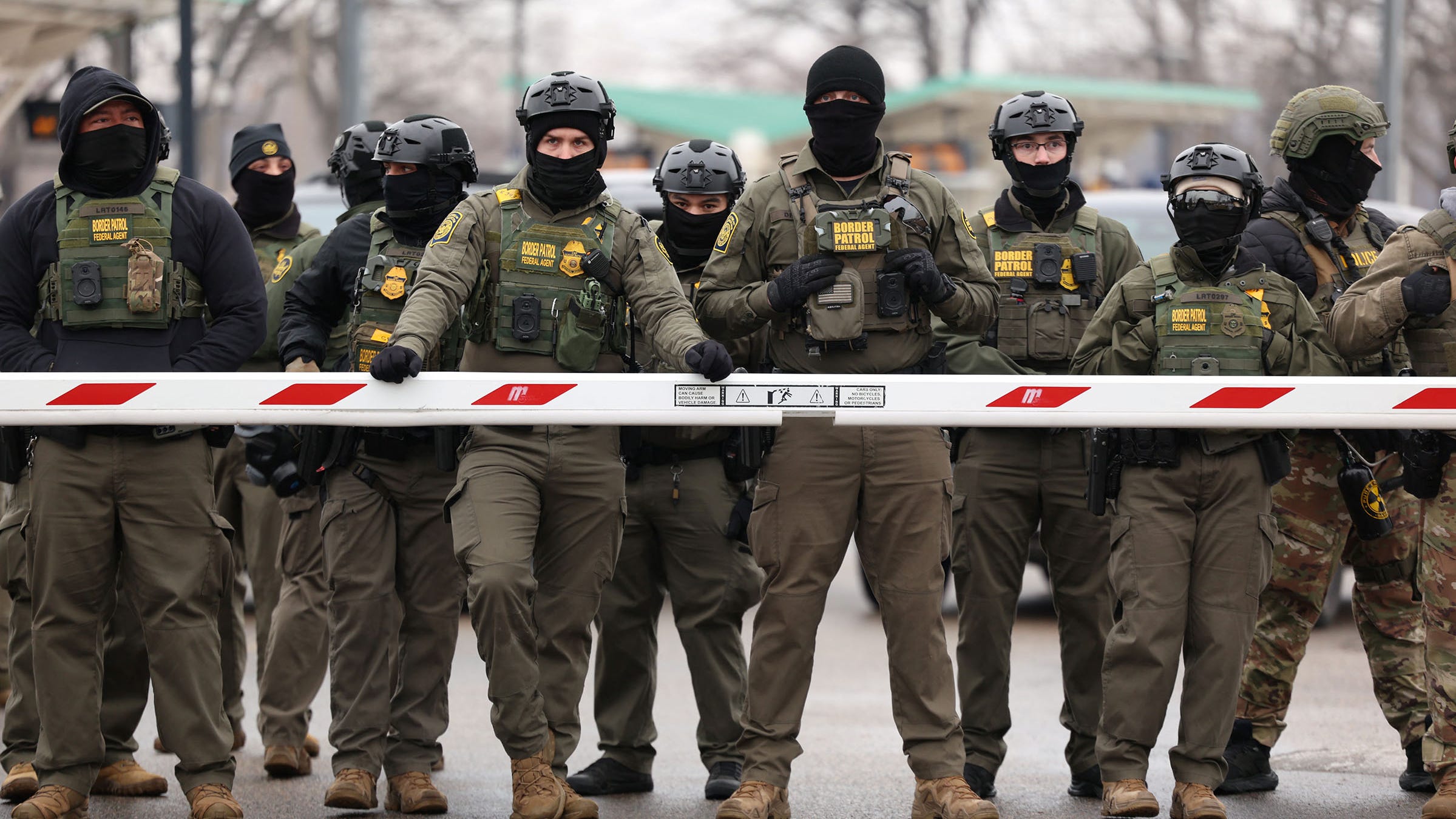
The Department of Homeland Security has been partially shut down since February 14, 2026, following the killings of two Minnesotans by federal officers that intensified congressional fights over immigration enforcement oversight. In the early hours of April 24, the Senate passed a budget reconciliation resolution 50-48 that would allocate up to $70 billion for ICE and Border Patrol, with Rand Paul and Lisa Murkowski joining all Democrats in opposition. House Republican leaders are refusing to take up the Senate bill, insisting on first passing a narrower 'skinny' bill that funds only immigration enforcement without broader DHS appropriations. TSA has warned of a payroll cliff approaching in mid-May. Separately, a NOTUS investigation found the Trump administration has redirected at least six national security programs toward deportation operations without congressional approval. On Sunday, Trump endorsed renaming ICE to NICE.
The DHS shutdown is not a funding failure. It is a power negotiation: the administration is using the shutdown to extract unconditional immigration enforcement funding, and the House is using it to force the Senate's hand on structure, not substance.
Prediction Markets
Prices as of 2026-04-27 — the analysis was written against these odds
The Hidden Bet
The Senate bill ending the shutdown is the natural resolution and the House will eventually pass it
House Republicans have a specific strategic reason to sequence a skinny bill first: it locks in ICE and Border Patrol funding as a standalone measure before any broader DHS appropriation, making enforcement funding politically untouchable in future fights. This is not obstruction for its own sake. It is sequencing with intent.
Democrats oppose the shutdown because they want DHS funded
Democrats voted against the Senate bill. Their stated reason is that they support DHS funding but oppose ICE and Border Patrol funding without oversight. The structural truth is that a prolonged shutdown that creates visually obvious harm at airports and borders is a political liability for the party currently running enforcement. Democrats need the shutdown to end before the TSA payroll cliff becomes a national crisis they are blamed for.
Redirecting national security resources to deportation is a temporary emergency measure
The NOTUS investigation documents structural redirection across multiple agencies, including the State Department's election interference counter-program and FEMA senior staff. A former DHS official compared the scale to post-9/11 reorientation. Temporary emergency measures that last 70-plus days and span six agencies are not temporary. They are the new baseline.
The Real Disagreement
The genuine fork is whether Congress still controls domestic security spending or whether the executive has established a precedent of redirecting appropriated funds across agencies without approval. Both sides are right about something: Democrats are correct that the redirections violate the intent of congressional appropriations. Republicans are correct that the president has inherent authority to deploy executive branch resources for national security. The distinction collapses when 'national security' is defined to include all immigration enforcement. I'd lean toward the oversight concern being more serious: if Congress loses the power to direct how security funds are spent within agencies, it loses the power to direct anything. But the political cost of asserting that power right now, while the WHCA dinner shooting is fresh, is high enough that most members will pass.
What No One Is Saying
TSA workers are approaching a payroll cliff in mid-May, which means airport security screening for every American traveler is three weeks from a staffing crisis. The shutdown has been framed exclusively as an ICE-and-borders fight. The moment TSA security lines collapse at major airports, the frame changes entirely, and that change will happen faster than Congress can act.
Who Pays
TSA frontline workers and airport security staff
Crisis point in approximately 2-3 weeks
Payroll cliff approaching mid-May; workers already facing uncertainty about paychecks; some may seek other employment before resolution
Businesses and travelers dependent on Global Entry and CBP processing
Ongoing, compounding since February
Global Entry enrollments halted; trusted traveler programs suspended; corporate mobility teams managing backlogs with no resolution timeline
National security programs defunded to support deportations
Damage to these programs is already occurring and may not be reversible
State Department election interference counter-programs, WMD preparedness offices, and other programs starved of staff and resources that were redirected without authorization
Scenarios
TSA Cliff Forces Resolution
Mid-May payroll shortfalls at TSA create visible airport disruptions. Public and media attention shifts from the ICE debate to airport security. Congress scrambles to pass any bill that funds TSA regardless of ICE structure. The skinny-bill sequencing collapses under the pressure.
Signal TSA publicly announces furlough plans or reduced staffing schedules for major airports.
House Sequences Win
House passes a narrow ICE-only bill. Senate accepts the sequencing under White House pressure. DHS reopens fully but with ICE and Border Patrol now funded as a standalone line item that cannot be conditioned on oversight in future appropriations fights.
Signal Speaker Johnson schedules the skinny ICE bill for a floor vote this week.
Shutdown Extends Past May
House and Senate remain at structural impasse. TSA averts the payroll cliff through emergency transfers. DHS operates at reduced capacity indefinitely. The redirection of national security resources to deportations becomes normalized and permanent without a court challenge.
Signal Polymarket gives 31.5% odds the shutdown ends between May 18-24, suggesting the most likely resolution window is three to four weeks out.
What Would Change This
If a federal court enjoins the cross-agency resource redirections, this analysis changes: the administration would face a direct order to restore appropriated spending to its authorized uses, which reframes the shutdown from a legislative fight into a constitutional standoff between branches.