The Price of Playing Both Sides
What happened
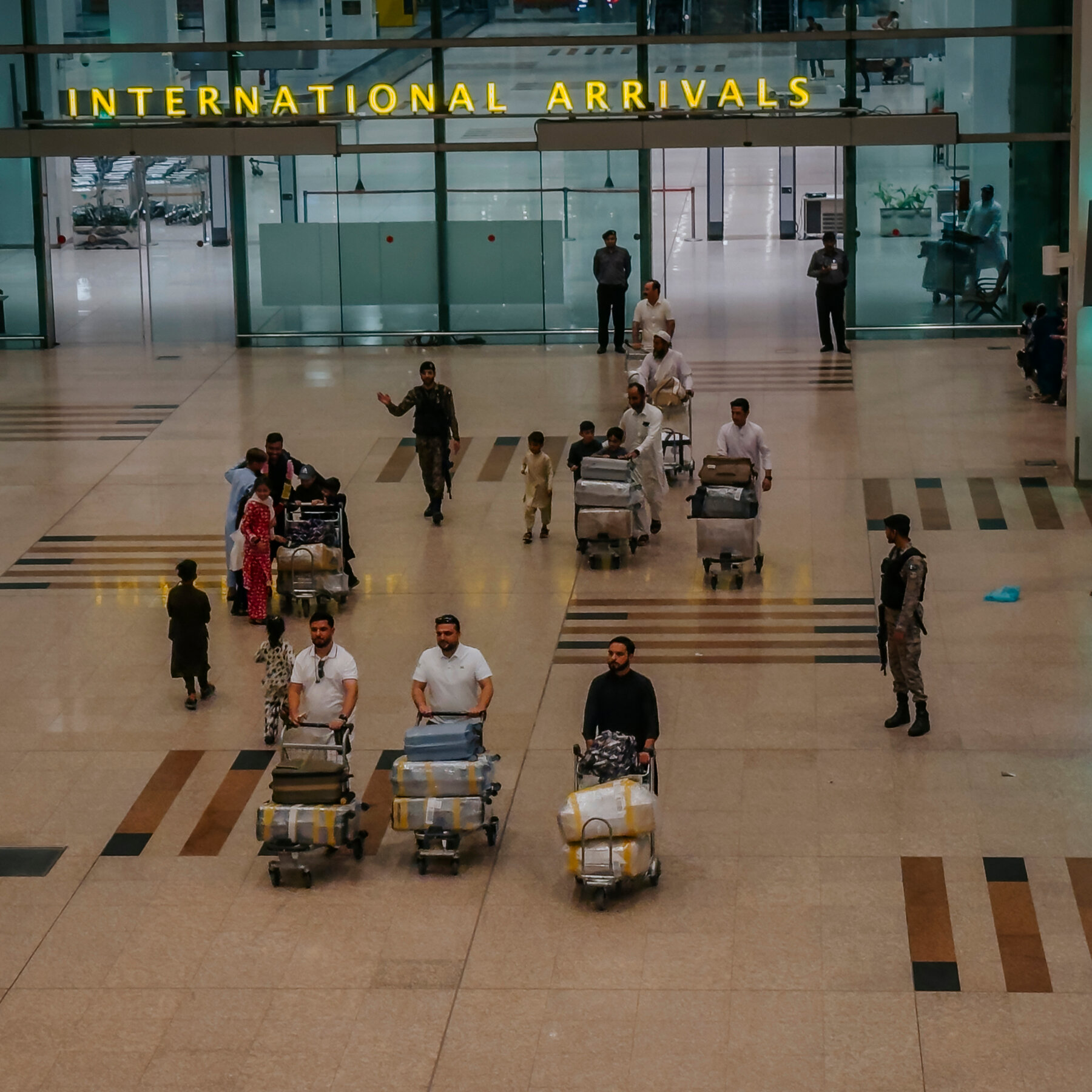
Pakistan has taken on a mediating role between the United States and Iran in ceasefire negotiations, leveraging its relationships with both the Gulf states and Tehran. In response, the United Arab Emirates has begun expelling Pakistani workers en masse, with hundreds of thousands of laborers facing deportation from a country where they had built their livelihoods and where their remittances sustained families back home. The UAE-Pakistan rupture reflects the UAE's alignment with the US-Israel position on Iran and its punitive response to any party that does not hold that line. Pakistan is simultaneously managing a fragile domestic economy, nuclear tensions with India, and now a Gulf exile of its most economically vulnerable citizens.
Pakistan is being punished for attempting diplomacy that the US itself cannot conduct directly. The UAE is making clear that in this war, neutrality costs more than taking sides.
Prediction Markets
Prices as of 2026-05-10 — the analysis was written against these odds
The Hidden Bet
Pakistan's mediation role gives it leverage over both the US and Iran
Mediators derive leverage from indispensability, not goodwill. The US has other channels to Iran (Oman, Switzerland). If one of those channels becomes viable, Pakistan's role becomes redundant, and it will have paid the UAE cost for nothing.
The UAE is punishing Pakistan to send a diplomatic signal, not permanently severing the relationship
Mass deportations of labor migrants are hard to reverse. Pakistani workers removed from the UAE lose jobs, housing, and work-visa status that took years to accumulate. Even if the diplomatic dispute resolves, the economic damage to individual workers is not undone. The UAE may intend a temporary signal but is delivering permanent economic harm.
Saudi Arabia's position on Pakistan's mediation mirrors the UAE's
Saudi Arabia has its own interest in an Iran deal that doesn't leave Iranian proxy militias entrenched across the region. Riyadh may privately welcome a ceasefire framework even if it cannot say so publicly. The UAE and Saudi Arabia are not identical actors.
The Real Disagreement
The actual fork: is Pakistan's mediation role making a ceasefire more likely, or is it simply prolonging the conflict by giving Iran a diplomatic channel it can use to buy time while surviving the blockade? The US has implicitly endorsed Pakistan's role by not pressuring Islamabad to withdraw. But if the Caspian route is sustaining Iran's war capacity, and Pakistan's talks are buying Iran diplomatic cover, then the mediation is functioning as Iranian strategy rather than genuine ceasefire facilitation.
What No One Is Saying
Pakistan's nuclear weapons make it genuinely immune to being fully punished. The UAE can expel workers; it cannot threaten Pakistan's security. Pakistan's nuclear umbrella is the real source of its freedom to freelance diplomatically in ways that smaller non-nuclear states cannot.
Who Pays
Pakistani migrant workers in the UAE
Immediately; deportations are ongoing
Direct deportation: loss of employment, housing, work-visa eligibility, and savings. For many, years of legal residency building is erased. Return to Pakistan's economy offers fewer options at lower wages.
Pakistani households dependent on UAE remittances
Within weeks as wire transfers stop arriving
Remittances from Gulf states are a significant share of Pakistan's foreign exchange earnings. Mass deportations collapse that income stream, depreciating the rupee further and reducing household purchasing power for families who never made the diplomatic decisions that triggered this outcome.
Pakistan's government
Now; the government must respond to both pressures simultaneously
Caught between domestic pressure to protect workers and geopolitical pressure to continue mediating. Any concession to the UAE (withdrawing from mediation) produces an Iranian reaction; any refusal to concede extends worker deportations. There is no clean path.
Scenarios
Pakistan withdraws, workers return
Pakistan quietly steps back from the mediation role under UAE pressure. UAE suspends deportations. Pakistan's government frames it as mission accomplished, having created the conditions for other parties to take over talks.
Signal UAE-Pakistan diplomatic meetings resume at ministerial level within 60 days of deportation news.
Pakistan holds, cost escalates
Islamabad maintains its mediation role and the UAE continues deportations through summer. Remittance collapse pressures Pakistan's central bank. A currency crisis adds to existing debt stress.
Signal Pakistani rupee falls more than 10% against the dollar within 60 days. IMF loan discussions resume.
Deal happens, Pakistan vindicated
A ceasefire framework is agreed via Pakistan's channel. Pakistan is credited with the breakthrough. The UAE faces international pressure over its treatment of Pakistani workers. The deportations stop; some workers return.
Signal A formal US-Iran diplomatic meeting is announced in a Pakistan-adjacent neutral venue (Oman or Switzerland).
What Would Change This
If a ceasefire deal is reached through any channel, the rationale for punishing Pakistan's mediation disappears and the UAE has incentive to repair the relationship. Alternatively, if the US formally names Pakistan as a diplomatic partner in Iran negotiations, the UAE's punishment becomes politically costly for Abu Dhabi's relationship with Washington.
Related
Pakistan Staked Its Credibility on the Iran Deal. It Lost.
conflictThe Islamabad Walkout: Iran Goes to Moscow as US-Iran Talks Die in Pakistan
powerThe Gulf States Just Watched the US Go to War Next Door. Now They're Reconsidering.
conflictIran Rejects U.S. Peace Terms as 'Surrender.' The Strait Stays Closed.