Pakistan Staked Its Credibility on the Iran Deal. It Lost.
What happened
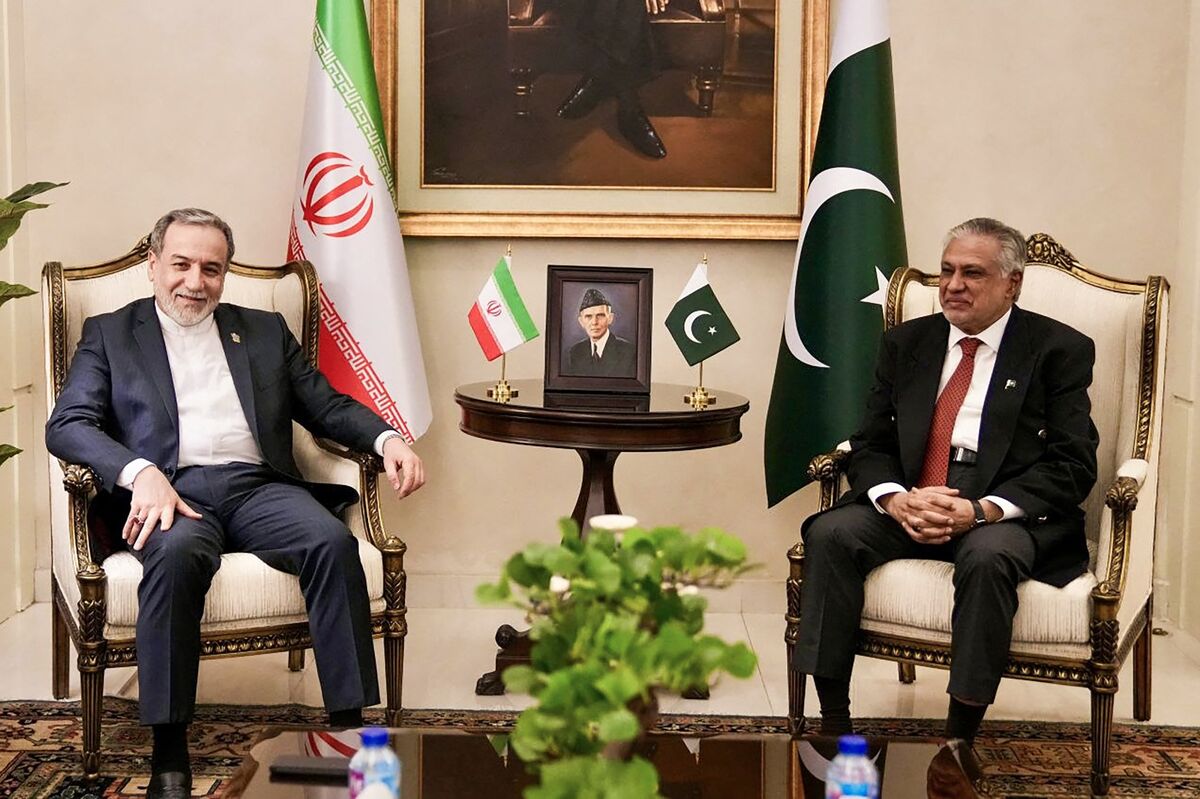
Pakistan's Army Chief Asim Munir personally flew to Tehran and hosted the first round of U.S.-Iran peace talks in Islamabad in April. The talks lasted 21 hours and produced nothing. JD Vance confirmed the breakdown publicly. A second round scheduled for late April never happened. Pakistan made frantic last-minute efforts to save it, including a meeting between PM Sharif and Iran's Foreign Minister Araghchi in Islamabad. On May 1, Iran submitted a fresh proposal via Pakistan to resume talks. Trump looked at it and said he doubted it was acceptable.
Pakistan offered its credibility as collateral for a deal it had no leverage to deliver. When the talks failed, Iran began to suspect Pakistan was relaying U.S. terms as if they were neutral positions. That suspicion has made Pakistan less useful, not more.
Prediction Markets
Prices as of 2026-05-03 — the analysis was written against these odds
The Hidden Bet
Pakistan can mediate effectively because it has relationships with both parties
A mediator needs leverage over both parties or at least the credibility that it will not favor either. Pakistan depends on U.S. aid and has historical ties to Iran, but neither party trusts that Pakistan's interests align with theirs. Iran reportedly believes Pakistan conveyed US maximalist demands as if they were negotiable starting points.
The talks failed because of substantive disagreements over terms
The talks may have failed because neither side actually wanted a deal in April. The U.S. has a 60-day congressional authorization deadline looming. Iran needed to demonstrate it could negotiate without capitulating. Both sides wanted the optics of talks more than the outcome of a deal.
Pakistan benefits from its mediator role regardless of outcome
Pakistan's energy import bill has nearly tripled due to the war. Every month without a deal costs Islamabad billions it does not have. Pakistan also risks permanent damage to its relationship with Iran if Tehran concludes Islamabad was a conduit for U.S. pressure.
The Real Disagreement
The real tension is between two theories of what Pakistan's mediation is actually for. One view: Pakistan is a genuine neutral who can bridge the trust deficit between Washington and Tehran, and the failed first round is a normal part of a process that takes time. The other view: Pakistan was recruited by Washington to serve as a pressure conduit and legitimize U.S. maximalist demands by putting them in Pakistani packaging. On this view, the talks were designed to fail in a way that blamed Iran, not the U.S. The second view is more consistent with Iran's behavior: submitting new proposals through Pakistan while publicly saying it distrusts the process suggests Tehran is trying to test whether Pakistan has any independent agency, or is just a relay.
What No One Is Saying
Pakistan is functionally bankrupt, has a tripled energy bill from the Iran war, and needs a deal more urgently than either the U.S. or Iran. This makes Islamabad the weakest party in the negotiation despite being the host. The U.S. and Iran both know that Pakistan cannot walk away from its mediator role because the war's costs are existential for Pakistan's economy. That gives both sides the ability to string Pakistan along indefinitely.
Who Pays
Pakistani consumers and businesses
Ongoing; worsens with each month without a deal
Energy prices have nearly tripled due to war-related supply disruption in the region. Pakistan imports most of its energy. The government is absorbing some costs through subsidies it cannot afford.
Asim Munir and Pakistan Army leadership
Already occurred; ongoing reputational cost
The army chief personally staked his international credibility on securing a deal. Failure publicly demonstrated the limits of Pakistan's leverage. India has noted the failure prominently, further damaging Munir's regional standing.
Iranian moderates who supported negotiation
Slow-burn; affects the next round of internal Iranian political positioning
Every failed round of talks strengthens the faction in Tehran that argues negotiation is pointless and the U.S. will simply reject any acceptable offer.
Scenarios
Talks resume, deal by June
Iran's new proposal is close enough to U.S. parameters that Trump authorizes a second round. Pakistan hosts again. A framework agreement is announced before the 60-day congressional deadline. Markets price in end of Hormuz disruption.
Signal Trump publicly says Iran's new proposal is a basis for negotiation rather than rejecting it outright
Congressional deadline triggers escalation
The 60-day window expires without a deal. Congress is required to vote on continued war authorization. The vote succeeds but with conditions that constrain Trump's negotiating flexibility, making a deal harder.
Signal Senate Armed Services Committee schedules a war powers vote in the next two weeks
Pakistan replaced as mediator
Iran signals it wants a different venue after losing trust in Pakistan's neutrality. Oman or Switzerland is proposed. Pakistan is sidelined from the process it spent six months building, just as its domestic economy hits a crisis point.
Signal Iran publicly requests a different venue or a different mediating country; Araghchi stops traveling to Islamabad
What Would Change This
If Trump publicly describes Iran's new proposal as a constructive step, the failed-mediation frame breaks and Pakistan's role may recover. If Iran stops using the Pakistan channel entirely and contacts the U.S. directly, it confirms the mediation was never about neutrality.