Saudi Arabia Shut Down Project Freedom. Then Reopened the Bases. Neither Act Was What It Looked Like.
What happened
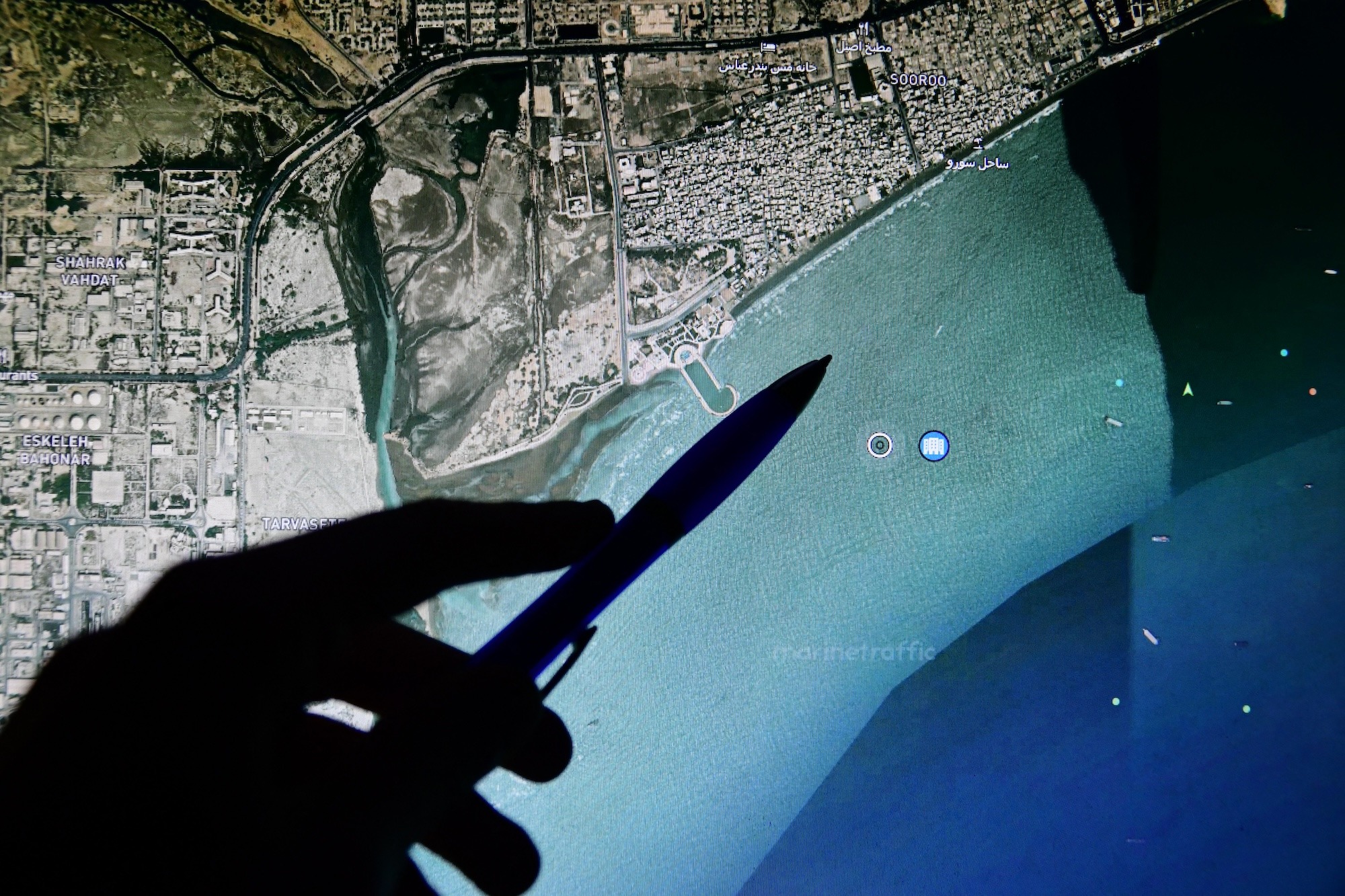
President Trump announced Project Freedom on May 6 or 7, a US Navy operation to escort commercial ships through the Strait of Hormuz under active Iranian fire. Saudi Arabia blocked US use of Prince Sultan Air Base and its airspace for the operation within 24 hours of the announcement, according to Saudi sources who spoke to AFP. The operation was paused after approximately 36 hours. Saudi officials told the Wall Street Journal they cut access because senior US officials had publicly minimized Iranian attacks on Gulf states, making the Saudis feel the US would not adequately protect them from Iranian retaliation. Within days, Saudi Arabia and Kuwait both restored US military access after the US addressed those concerns. Trump simultaneously threatened a larger version of the operation, which he called Project Freedom Plus, if Iran did not conclude a deal.
Saudi Arabia just demonstrated that it can halt a major US military operation by withdrawing base access, and that it will do so when it concludes the US is making decisions that expose the kingdom to retaliation without consultation. That is not an alliance. That is a landlord.
The Hidden Bet
The restoration of US base access means the crisis in US-Saudi relations is resolved
Saudi Arabia restored access after extracting a specific concession: the US would stop publicly downplaying Iranian attacks on Gulf states. The bases are open again, but the condition of their use has been renegotiated. Saudi Arabia now has precedent that blocking US military operations produces US policy adjustments. The next time Saudi interests diverge from US operational plans, that precedent stands.
Saudi Arabia needs the US military presence too much to seriously limit it
Saudi Arabia is buying Ukrainian drone-defense systems and deploying Ukrainian specialists to train Gulf forces on countering Iranian weapons. That is a parallel security supply chain that does not run through Washington. If Saudi Arabia can defend itself against the primary Iranian threat using non-US technology, the leverage equation shifts substantially. Saudi Arabia is not building independence; it is building optionality.
The Hormuz conflict is primarily a US-Iran confrontation in which Saudi Arabia is a secondary actor
The Hormuz closure has already restructured Saudi Arabia's economic geography. Red Sea ports are now the primary export route. Saudi Arabia's Vision 2030 investments at Yanbu and Oxagon were planned as backup capacity; they are now primary. Saudi Arabia has a direct economic interest in both the Hormuz question and in how the US resolves it, because the resolution terms will determine whether their Red Sea advantage is temporary or permanent.
The Real Disagreement
The genuine tension is whether the Gulf security relationship between the US and Saudi Arabia is a mutual defense arrangement or a one-way American provision of military services to a client state that can decline specific requests. From the US perspective, the alliance requires Saudi cooperation to project force in the region. From the Saudi perspective, the kingdom provides basing and airspace that is worth more than US security guarantees that require the Saudis to absorb Iranian retaliation. Both perspectives are true. The lean: the relationship is shifting toward a more explicitly transactional model in which Saudi Arabia vetoes operations it finds dangerous and the US has to negotiate each case. That is a real degradation of the alliance's military utility, even if both sides pretend otherwise.
What No One Is Saying
The US has 15,000 troops in Saudi Arabia and the Gulf region. Those forces depend on Saudi Arabia's cooperation not just for basing but for logistics, fuel, maintenance, and transit. If Saudi Arabia were to restrict access more broadly in a crisis, the US would not have a good alternative. Bahrain hosts the Fifth Fleet. Qatar hosts Al-Udeid. The US is distributed across Gulf states that all have independent interests in how any conflict with Iran resolves. The structural vulnerability is not Saudi Arabia specifically. It is that US power projection in the Gulf requires permission from states whose governments are not elected and whose interest alignment with Washington is conditional.
Who Pays
Shipping companies and global energy importers
Ongoing; worsens if ceasefire collapses
Project Freedom's suspension means ships transiting the Strait of Hormuz do not have the US Navy escort that was briefly promised. The corridor remains dangerous without a deal, and the price of passage is still paid in risk premiums and war insurance.
Gulf state populations
Immediate; ongoing as long as ceasefire holds precariously
Iran attacked UAE and Bahraini assets during the Project Freedom episode. Saudi Arabia's intervention did not stop those attacks; it only withdrew US air cover. The populations of Gulf states closest to Iranian missile range paid the most immediate price.
US defense planning credibility
Immediate reputational cost; strategic cost compounds over time
A major US military operation was paused within 48 hours because an ally refused access. The signal to adversaries and other allies about US operational dependence on Gulf basing is not abstract.
Scenarios
Deal Closes, Bases Irrelevant
A US-Iran agreement on Hormuz is finalized. The strait reopens. Project Freedom becomes moot. The Saudi base episode is filed under 'alliance tension' rather than 'alliance breakdown.' US-Saudi relations reset around the arms deal and AI investment that Trump was pursuing on the same trip.
Signal Iran issues a public statement accepting a framework agreement within two weeks
No Deal, Bases as Leverage
Talks collapse. Trump announces Project Freedom Plus. Saudi Arabia again conditions base access on specific US commitments, this time in writing. The negotiation of those conditions takes days or weeks, during which the Strait remains closed and shipping costs spike further.
Signal Saudi officials request a formal bilateral security memorandum before agreeing to any new Hormuz operation
Saudi Pivot Accelerates
Saudi Arabia continues building the Ukrainian drone-defense supply chain, deepens the Yanbu and Red Sea port investment, and quietly reduces the strategic value of its bases to US Gulf operations. The alliance continues nominally but Saudi Arabia is no longer the anchor of US power projection in the region.
Signal Saudi Arabia announces a formal defense cooperation agreement with Ukraine or a European country independent of US coordination
What Would Change This
If Trump's threatened Project Freedom Plus launches successfully with Saudi cooperation, it would suggest the base denial was a one-time negotiating move rather than a structural shift. If the bases remain closed to any future Hormuz operation, that would confirm the alliance has been renegotiated. The tell is not whether the bases reopened; they already did. The tell is whether the US asks permission for the next operation or assumes access.