New York's Commuter Rail Is Seven Days From Its First Strike in 30 Years
What happened
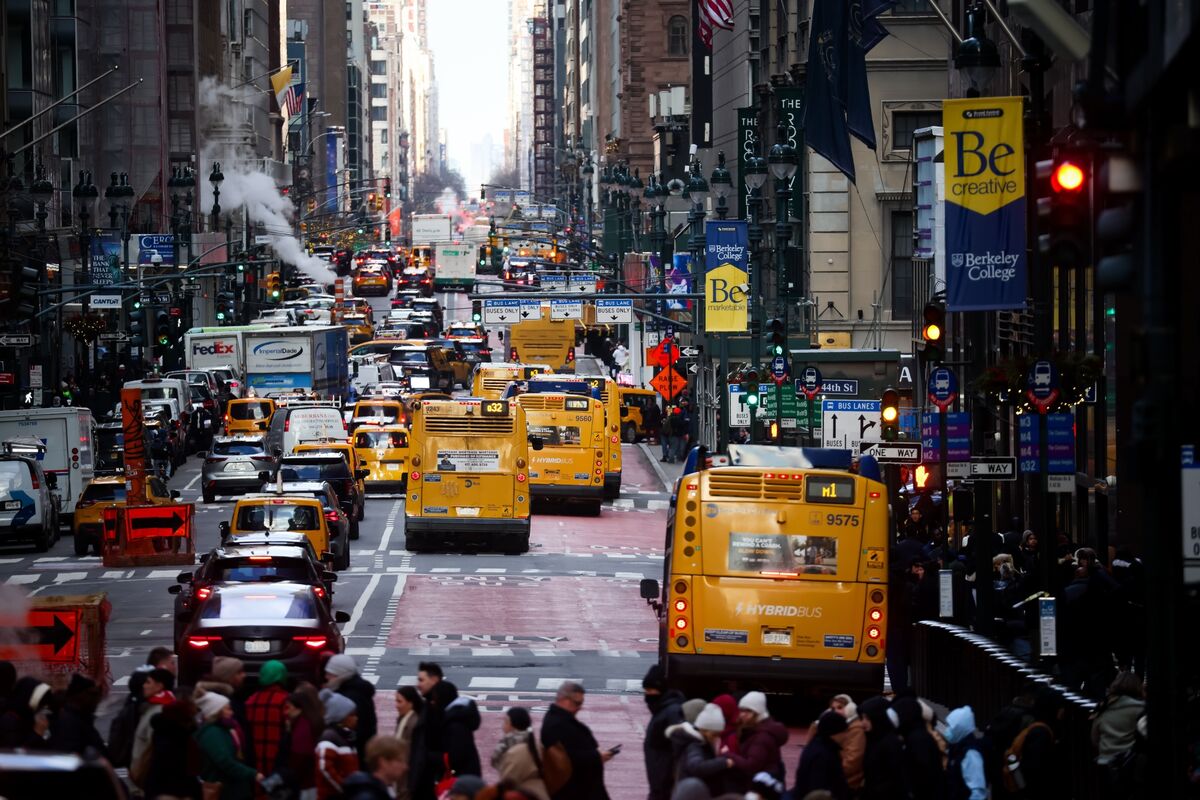
Five Long Island Rail Road unions representing roughly half of the agency's unionized workforce have threatened to strike on May 16 after contract talks with the MTA stalled. The MTA offered 9.5% wage increases over the first three years of a four-year contract, which approximately half of LIRR workers already accepted. The holdout unions are demanding additional wage increases in year four that the MTA has refused. Union leaders describe the MTA's counter-offers as 'lump sum payments and gimmicks.' If a strike begins, LIRR service would shut down entirely, affecting roughly 300,000 daily commuters. The LIRR has not had a strike in over 30 years. Separately, the MTA is also in contract talks with NYC subway operators.
A single unresolved year in a four-year contract is about to bring New York's commuter rail to a halt, and both sides know that New York State cannot afford to let that happen, which means both sides are waiting for the governor to blink.
The Hidden Bet
The dispute is genuinely about year four wage rates
The five holdout unions accepted a different contract structure than the unions that settled. The dispute is partly about which LIRR workers get the better deal relative to their colleagues, not just about the absolute dollar amount. Unions that settled first are watching to see if holdouts extract better terms, which would create pressure to reopen the settled agreements. The MTA's resistance is partly about preventing that precedent.
A strike would last long enough to significantly disrupt the regional economy
LIRR strikes have consistently been ended by gubernatorial intervention under New York's Taylor Law, which prohibits public employees from striking and allows the governor to seek injunctions. The 1992 LIRR work stoppage lasted six days before legal action ended it. The strike threat is most powerful as leverage before it begins. Once a strike starts, the governor intervenes and both sides lose control of the outcome.
The MTA has the money to meet the union's demands if it wanted to
The MTA faces a genuine structural budget gap. The congestion pricing program that was supposed to fund transit operations was suspended by Governor Hochul in 2024. Federal pandemic relief funding has been drawn down. A year-four raise above 9.5% may require either a state subsidy or service cuts elsewhere. The MTA's 'gimmicks' framing from unions may reflect real constraints rather than bad faith.
The Real Disagreement
The actual fork is whether the governor should intervene before or after May 16. Intervention before the deadline rewards the holdout unions for threatening a strike and signals that the Taylor Law has no teeth: threaten a strike, get the governor involved, get better terms. Intervention after the deadline enforces the law's prohibition but causes economic damage to 300,000 commuters who have nothing to do with the negotiations. New York governors have consistently intervened before or immediately after the deadline, which is why LIRR unions strike threats work as leverage. The union knows this. The MTA knows this. The question is only timing.
What No One Is Saying
The governor is the actual decision-maker in this dispute and has been since the negotiations began. The union and MTA are not really negotiating with each other; they are both positioning for what they want the governor to impose when she steps in. The public framing of 'good faith negotiations' obscures that neither side expects to resolve this without her.
Who Pays
300,000 daily LIRR commuters
Beginning May 16 if no deal is reached
If service shuts down, commuters face a combination of shuttle buses (which serve a fraction of the capacity), driving into Manhattan with its associated congestion costs, and potentially missing work. The economic impact on Long Island households for each day of a strike is direct and immediate.
New York State economy
Immediate and ongoing for each day of a strike
Long Island is a significant commuter corridor for financial services, healthcare, and public sector workers. A multi-day shutdown would reduce output in those sectors and generate secondary traffic and logistics disruptions. The 1992 strike cost an estimated $100 million per day in economic activity.
NYC subway workers in parallel negotiations
Medium-term, affecting NYC subway contract negotiations later in 2026
Whatever settlement the LIRR unions achieve sets a de facto benchmark for the Transit Workers Union subway contract. If LIRR holdouts extract better fourth-year terms, subway operators will use that precedent in their own talks. The MTA's resistance to LIRR year-four demands is partly about managing subway contract expectations.
Scenarios
Governor intervenes, mediates a deal before May 16
Governor Hochul steps in publicly before the deadline, names a mediator, and brokers a settlement that includes a modest year-four increase above the MTA's offer but below the union's ask. Service continues. Both sides claim partial victory.
Signal Watch for any statement from the governor's office using the word 'mediation' or announcing a meeting with both parties before May 15.
Strike begins, Taylor Law invoked within 48 hours
Workers walk out May 16. The governor applies to a court for an injunction under the Taylor Law. Workers return while a fact-finding process continues. The final settlement ends up close to where mediation would have landed, but the commuting disruption already occurred.
Signal Watch for whether union leadership publicly dares the governor to invoke the Taylor Law, which is the signal that they are prepared for the legal confrontation.
Deal reached at the table without intervention
Both sides find a year-four formula, such as a cost-of-living adjustment or merit-based component, that lets the MTA avoid a fixed percentage commitment while giving unions something to show members. Unusual outcome given the state of talks, but possible if one side makes a surprise concession.
Signal Watch for a late-night joint statement from the MTA and union representatives, which is typically how transit deals get announced when both sides want to avoid press conferences.
What Would Change This
If the governor publicly commits to not invoking the Taylor Law, the leverage balance shifts entirely toward the union. That statement has never been made by a New York governor in a transit dispute. If it were made, a prolonged strike becomes possible and the economic stakes become real rather than tactical.
Related
41,000 Samsung Workers Are About to Strike Over a Bonus Gap That SK Hynix Created
conflictSamsung Workers Want 15% of the AI Boom. Management Says the Company Can't Afford It.
conflictSamsung's Workers Want 15% of the AI Boom. The Company Says No. An 18-Day Strike Starts May 21.
conflictUAW Is Threatening to Strike the Plant That Builds Stellantis' Most Profitable Truck.