Amazon Fires 30,000. Then Announces 11,000 New Hires. The CEO Says AI Isn't Replacing Anyone.
What happened
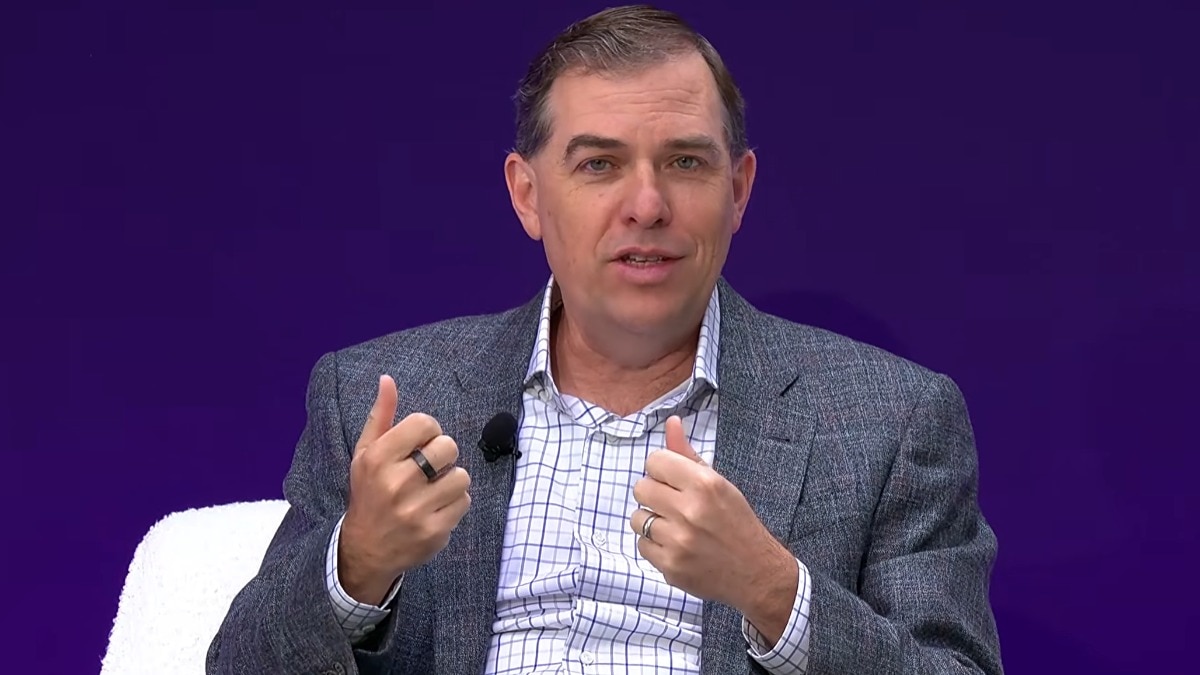
Amazon completed roughly 30,000 layoffs across late 2025 and early 2026, cutting managers and non-technical roles across AWS and other divisions. AWS CEO Matt Garman then announced at the AWS What's Next event that Amazon plans to hire 11,000 software developers, engineers and interns in 2026. Garman told the audience that AI is not replacing engineers but shifting their work away from routine coding and debugging toward system architecture and design. Across the broader tech sector, approximately 92,000 jobs have been cut in 2026, with Oracle, Meta, Snap and Cognizant also reducing headcount while simultaneously investing in AI capabilities.
Amazon is automating mid-level work and rebranding the displacement as 'role evolution': the 30,000 who left wrote code; the 11,000 they're hiring will supervise AI that writes code. The job count goes down but the framing goes up.
Prediction Markets
Prices as of 2026-04-30 — the analysis was written against these odds
The Hidden Bet
The 11,000 new engineering hires replace the value lost from 30,000 departures
Amazon is not replacing headcount; it is replacing labor structure. Eleven thousand engineers building AI systems is a different workforce than 30,000 mixed technical and operational roles. The company's aggregate output may grow, but the people displaced by the first wave are not the ones qualified for the second wave's jobs.
AI is creating more jobs than it destroys at Amazon
Garman's own framing undermines this: AI completes tasks that took weeks in minutes, he said. If it takes one engineer to supervise AI doing the work of 10 engineers, the math closes in one direction. The new hires are real, but they don't numerically offset the cuts and they don't reach the same workers.
The restructuring was driven by strategic recalibration rather than cost reduction
Amazon's operating margins have expanded as its headcount fell. The AI narrative is accurate as far as it goes, but it is also the most favorable possible gloss on what is partly a margin improvement exercise timed to a period when AI provides convenient cover for workforce reductions that might otherwise draw scrutiny.
The Real Disagreement
The fork is whether this is a transitional adjustment, where AI eliminates certain task categories but net employment stabilizes as new roles emerge, or a structural compression, where one engineer with AI tools permanently replaces three engineers without them and the missing two never find equivalent work. Garman is arguing the first. The evidence from Amazon's own headcount trajectory argues the second. The real tell will be whether Amazon's total technical headcount recovers to pre-2025 levels within three years. If it doesn't, the 'role evolution' framing is a soft landing story written by the people who didn't land hard.
What No One Is Saying
Amazon announcing 11,000 hires while net reducing by 19,000 is a successful PR move: it captures the 'Amazon is hiring' headline while quietly retiring the 'Amazon is cutting' one. The tech press ran both stories, but not the arithmetic.
Who Pays
Mid-level engineers and managers at Amazon
Already happened; ongoing
They are the ones cut. The 11,000 new positions require different skills: AI supervision, system architecture, and product judgment rather than coding execution. Workers over 40 with deep expertise in the legacy stack face the steepest retraining barrier.
Recent computer science graduates expecting traditional software roles
Over the next 2-3 years
Entry-level coding positions are the first thing AI agents replace. Amazon's hiring plan targets senior engineers and interns who will be trained into the new model, not mid-career developers expecting a standard software job. The middle of the career ladder is being pulled out.
Enterprise SaaS companies
Medium-term, beginning now
Garman is positioning AWS as entering the SaaS market directly with AI-powered products. Companies that currently sell software to enterprise customers and run on AWS are about to compete with their cloud provider.
Scenarios
Net employment stabilizes
AI productivity gains generate enough new product surface area that Amazon's total headcount recovers within three years. Workers displaced from routine coding move into new roles in AI operations, safety, and product design. The transition is painful but not permanent.
Signal Amazon's total global headcount returns to 2024 levels by 2028 while revenue and margins continue to expand
Structural compression firms up
Amazon's headcount stabilizes at 70-75% of its 2024 peak while output and margins continue rising. Other large tech companies follow with similar restructurings. The 'role evolution' frame becomes untenable as displaced workers do not find equivalent employment elsewhere in tech.
Signal Tech sector employment remains 15% below 2024 peak by end of 2027 despite continued revenue growth
Regulatory pushback
Labor regulators in the EU or a US state begin scrutinizing AI-driven layoffs as a category, requiring companies to document the AI substitution and provide transition support. Amazon's dual narrative becomes a legal liability.
Signal EU Digital Markets Act enforcement action or US NLRB guidance specifically addressing AI-driven workforce reductions
What Would Change This
If Amazon's total technical headcount, including contractors and seasonal workers, returns to its 2024 peak by 2028, the 'AI is creating jobs' argument has merit. If it doesn't, the framing is a transition story with no transition.