The Trial That Could Unwind a Trillion-Dollar Company
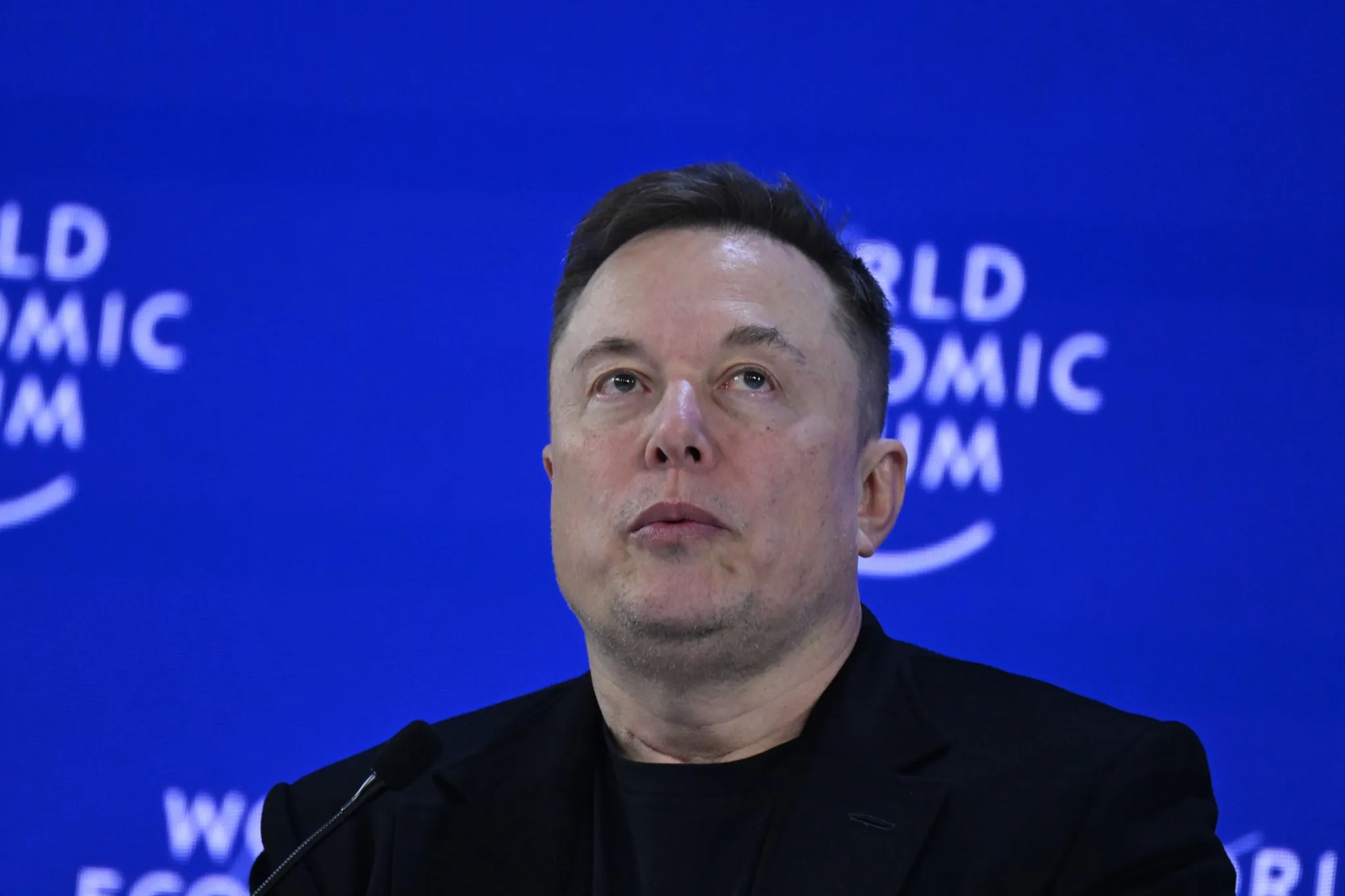
What happened
Jury selection began April 28 in federal court in Oakland for Musk v. Altman, the lawsuit Elon Musk filed against Sam Altman, Greg Brockman, OpenAI, and Microsoft. Musk dropped his fraud claims on the eve of trial, leaving two: unjust enrichment and breach of charitable trust. He is seeking up to $134 billion in damages directed to OpenAI's charitable arm, plus court orders removing Altman and Brockman and restoring OpenAI's nonprofit status. The jury's verdict will be advisory only; Judge Yvonne Gonzalez Rogers makes the final decision. If OpenAI is found liable, a separate remedies phase begins May 18.
The most dangerous evidence in this trial is not Musk's money but Brockman's 2017 diary, which makes the nonprofit commitment look like a deliberate fiction designed to attract idealistic donors before converting their contributions into a trillion-dollar for-profit company.
Prediction Markets
Prices as of 2026-04-26 — the analysis was written against these odds
The Hidden Bet
The trial is about Musk's idealism betrayed
Musk left OpenAI's board voluntarily, tried to acquire it for $97 billion, and now runs a direct competitor in xAI. Judge Gonzalez Rogers herself noted 'this country likes competition,' flagging the self-interest angle. The case may be about market position, not principle.
The nonprofit structure genuinely constrained OpenAI
OpenAI's nonprofit now holds roughly 26 percent of a $852 billion company, making it one of the most well-endowed philanthropic organizations in the world. The structure changed; whether the mission changed is the contested question.
A jury verdict matters here
The jury's verdict is explicitly advisory. Judge Gonzalez Rogers decides everything. A unanimous jury finding could carry moral authority but cannot bind her. The trial's outcome depends on a single federal judge's interpretation of charitable trust law, not public sentiment.
The Real Disagreement
The fork is this: either the law of charitable trusts can reach a for-profit conversion of this scale, or it cannot. If it can, every AI lab that started as a nonprofit faces retroactive liability for equity it distributed to employees and investors during conversion. If it cannot, the practical lesson is that nonprofit status is a founding mechanism with no meaningful legal bite once the company becomes commercially valuable. Musk's side needs the law to reach this far; OpenAI's side needs the court to conclude the mission survived the structure change. The judge will lean toward Musk's framing if she concludes that OpenAI's early donors gave money based on a promise that was already internally understood as a lie when it was made.
What No One Is Saying
OpenAI's legal position depends on arguing that a nonprofit holding 26 percent of an $852 billion company constitutes mission preservation. But the nonprofit's board is controlled by the same leadership that approved the conversion. If the judge finds OpenAI liable, the remedy Musk wants, reinstating nonprofit governance, would put control of the world's most powerful AI lab into the hands of a nonprofit board accountable to no shareholders. That is arguably more dangerous than the current structure, not less, and nobody in this trial is saying so out loud.
Who Pays
OpenAI employees with equity
Remedies phase starting May 18 if Musk prevails on liability
If the conversion is unwound or damages are large, employee stock options and vesting schedules could be voided or clawed back as 'unjust enrichment,' stripping compensation that workers earned over years
Other AI nonprofits considering conversion
Precedent effect immediate upon any ruling; chilling effect already underway
A ruling against OpenAI sets precedent that charitable trust law reaches nonprofit-to-profit conversions in AI, creating legal risk for any lab that took charitable donations and later transitioned to commercial structure
Microsoft
Remedies phase if found liable
Microsoft is a named defendant charged with aiding the conversion; a ruling against it could unwind its $13 billion investment stake and reshape its AI strategy at the moment it competes directly with Google's Anthropic investment
Scenarios
Advisory jury finds for Musk, judge follows
Gonzalez Rogers orders damages and a remedies hearing. OpenAI's IPO plans collapse. The company enters a governance crisis as courts decide what a restored nonprofit structure looks like at $852 billion valuation.
Signal Brockman's diary evidence gets admitted without significant limitation; judge asks pointed questions about the Foundation's independence from OpenAI leadership
Advisory jury finds for Musk, judge overrides
Judge determines the charitable mission survived the conversion given the Foundation's endowment. OpenAI wins legally but the public narrative calcifies around the 'lie' framing, damaging its IPO pricing and institutional trust.
Signal Judge's questions during trial focus on the Foundation's actual independence rather than the original promise; she signals skepticism about the advisory jury's reach
OpenAI wins on liability
Court rules the conversion was legal; OpenAI proceeds to IPO. Musk's xAI faces the market with OpenAI freshly legitimized. The nonprofit-to-profit conversion model becomes standard for future AI labs.
Signal Judge dismisses or sharply limits the Brockman diary evidence; OpenAI's legal team successfully argues the Foundation structure meets the charitable trust standard
What Would Change This
If Judge Gonzalez Rogers rules that Brockman's diary is inadmissible or that it reflects personal doubt rather than organizational intent, the unjust enrichment claim weakens substantially. The bottom line also changes if evidence emerges that Musk himself knew the nonprofit structure was a placeholder; his own communications from the founding period are reportedly part of discovery.