Hollywood Consolidates Into the Last Two Studios That Matter
What happened
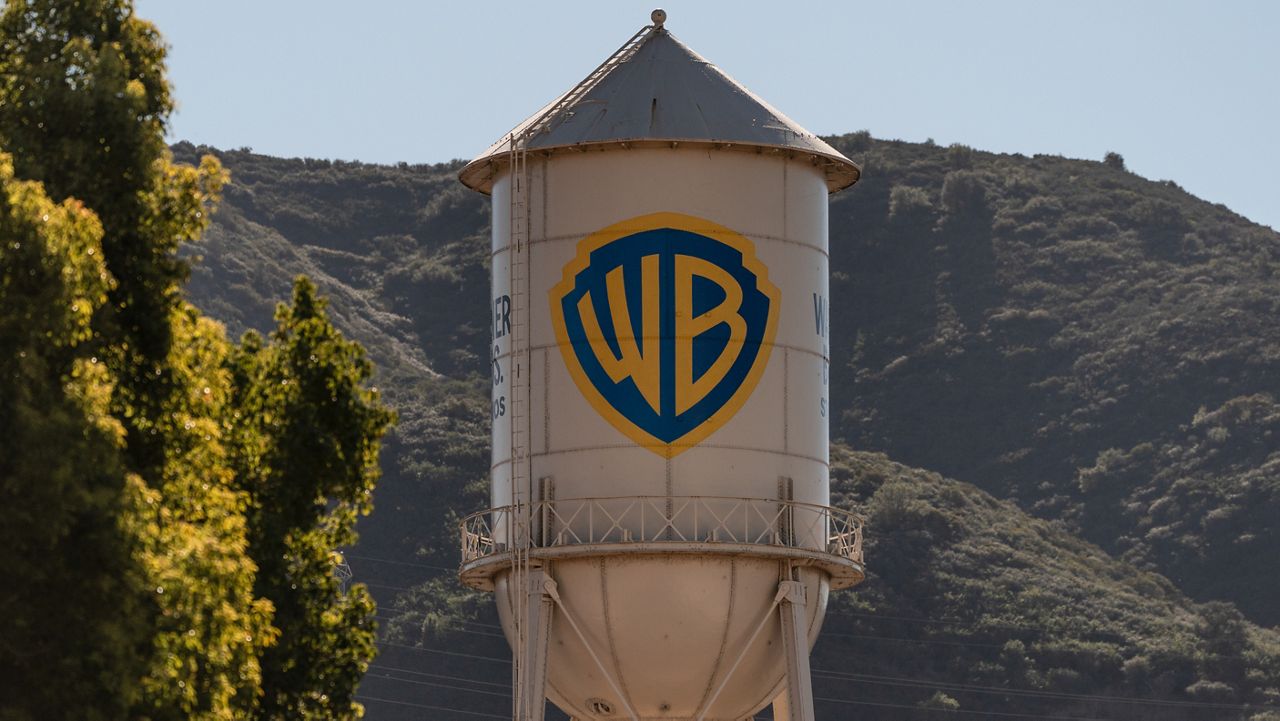
Warner Bros. Discovery shareholders voted on April 23 to approve a sale of the entire company to Paramount for approximately $31 per share, valuing the transaction at roughly $81 billion. The deal, which Paramount owns and drives, would bring together HBO Max and Paramount+ under a single ownership structure, combine the Warner Bros. and Paramount film studios, and create an entity controlling substantial cable and broadcast assets. The combined company would be worth approximately $111 billion when debt is included. The deal still requires DOJ antitrust review before closing, which is expected in the third fiscal quarter of 2026.
Two of Hollywood's five surviving legacy studios are merging because neither can survive the streaming wars alone, and the combined entity will still be smaller than Netflix. Consolidation is not a strategy. It is the endgame of a strategy that failed.
Prediction Markets
Prices as of 2026-04-24 — the analysis was written against these odds
The Hidden Bet
The combined streaming platform will achieve enough subscriber scale to compete effectively with Netflix and Disney+.
Netflix has 300 million subscribers globally. The combined HBO Max/Paramount+ subscriber base is estimated at under 120 million, heavily concentrated in the US, with significant overlap. Merger does not add subscribers in the markets where the combined entity is weakest. It reduces costs and executive headcount, but the subscriber gap with Netflix is structural, not addressable by consolidation at this scale.
DOJ review under the current administration will be friendlier to media consolidation than prior administrations.
The Trump DOJ is unpredictable on media mergers specifically because media ownership intersects with presidential political interests. The administration has shown willingness to use antitrust review as political leverage. Warner Bros. and CNN (which Warner owns) have a complicated relationship with the current White House. A deal that creates a stronger media entity potentially critical of the administration is not guaranteed a smooth review.
Streaming subscribers will accept higher prices once there are fewer platforms competing for their attention.
The evidence on streaming price elasticity is mixed. Netflix's price increases have largely held, but Netflix has unique library depth. Bundled platforms with partially overlapping content libraries have shown higher churn when prices rise. The merger creates fewer options, which is the precondition for higher prices, but fewer options in streaming does not behave the same as fewer options in, say, cable. Users can and do cancel within the same month.
The Real Disagreement
The genuine fork is between two theories of what this merger is. One theory: it is a desperate defensive merger by two companies that have both failed to build viable streaming businesses independently, and the combined entity will have more debt, more management complexity, and the same structural problem, which is that they are fighting Netflix on Netflix's terms. The other theory: scale genuinely matters in content licensing, distribution negotiation, and international rights, and the combined entity creates enough leverage to either compete directly or become an acquisition target for a platform, tech company, or telecoms operator that can use the combined library. The first theory predicts slow decline. The second predicts that the merger is a prelude to a bigger transaction. I lean toward the second, but only barely, because the debt load from this deal will constrain the combined entity's ability to make the investments that would make it attractive as an acquisition.
What No One Is Saying
Paramount acquiring Warner Bros. means the company best known for IP that peaked in the 1980s and 1990s, Paramount Pictures, is now in control of HBO, which is the only premium television brand in the combined portfolio that still has genuine quality differentiation. Paramount is likely to extract value from HBO's brand in ways that degrade it, because that is what Paramount has historically done with every creative asset it has acquired. HBO survived decades of corporate ownership by Comcast, AT&T, and David Zaslav. The Paramount era may be the hardest test.
Who Pays
HBO Max and Paramount+ subscribers
12-18 months post-close as the combined platform rationalizes pricing
The merger creates the precondition for significant price increases and platform consolidation. Users currently paying for one but not the other will face a bundling choice that reduces competition for their subscription dollars. Consumer advocates cited in the shareholder vote objected on exactly these grounds.
Mid-level creative and production staff at both studios
6-12 months post-close; regulatory review pending
Every major merger in Hollywood history has been followed by significant headcount reduction in overlapping functions: development executives, marketing, legal, and operations. The stated synergy target for the deal implies substantial cuts.
Independent streaming platforms and production companies
Medium-term as distribution contracts renew post-close
A combined Paramount-Warner entity will have stronger leverage in negotiating licensing windows, distribution deals, and talent contracts. Smaller independent companies lose negotiating power as the combined entity controls more of the premium content distribution infrastructure.
Scenarios
Regulatory Approval with Conditions
DOJ clears the merger subject to divestitures of specific cable assets or content rights in markets where the combined entity has dominant positions. The deal closes in Q3 2026, as projected. The combined entity begins platform integration and workforce reduction.
Signal DOJ issues a consent decree within 60 days of formal HSR filing completion.
Politicized Review Delay
The DOJ uses the review process to extract commitments about news coverage, editorial independence, or other politically sensitive terms. The White House signals concern about a combined entity controlling CNN and other media assets. The review extends beyond Q3.
Signal White House press secretary makes a public comment about the merger or media consolidation within 30 days.
Acquisition Bait
The combined entity, now with a consolidated library and reduced operational overhead, becomes an attractive acquisition target for Apple, Amazon, or a major telecoms operator within 18 months. The Paramount-Warner merger functions as an intermediate consolidation step before a larger transaction.
Signal Any acquisition discussion or leak involving a tech or telecoms buyer within 12 months post-close. The Polymarket market at 69.8% close probability by year-end supports this path as the base case.
What Would Change This
If the combined entity loses more than 10 million subscribers in the 12 months post-merger due to price increases or content library rationalization, the consolidation-for-scale thesis collapses. That would confirm that the merger addressed costs but not the core subscriber problem.