The Flag That Forced a Settlement
What happened
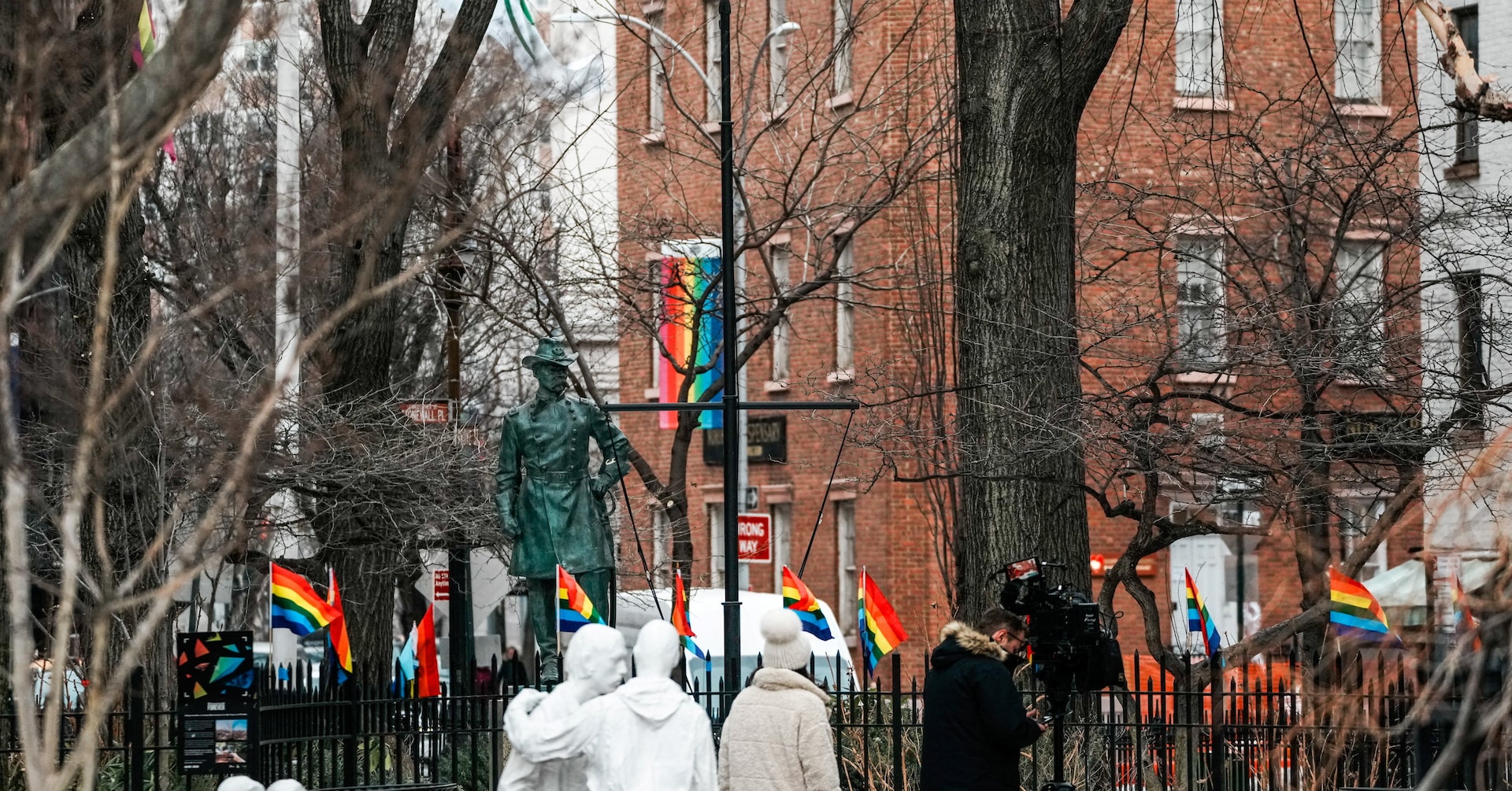
In February 2026, the National Park Service removed the rainbow Pride flag from the Stonewall National Monument in Greenwich Village, citing Interior Department guidance that non-agency flags could not officially be displayed on NPS-managed flagpoles. New York elected officials and LGBTQ advocacy groups raised the flag again on a city-controlled pole across the street, but the federal removal stood. Several nonprofit groups sued the administration in Manhattan federal court, naming Interior Secretary Doug Burgum and the NPS. On April 13, the government agreed to a proposed settlement filed with Judge Jennifer Rochon: the NPS will rehang the Pride flag on its flagpole within seven days, alongside the US flag and NPS flag, and will not remove it except for maintenance. The deal requires court approval.
The administration removed the flag to make a statement and agreed to put it back to avoid a court fight it was likely to lose. This is not a victory for LGBTQ rights. It is a retreat from a specific legal battle, in a specific location, under specific settlement terms.
The Hidden Bet
The settlement reflects a softening of the administration's approach to LGBTQ rights
Idaho's Governor Little signed a bill requiring educators and medical professionals to out transgender minors on the same day. The Stonewall settlement is a litigation outcome, not a policy shift. The administration is perfectly capable of retreating on a flagpole while accelerating restrictions on transition care, bathroom access, and military service in parallel.
This was about a flag
The removal was a message to a constituency, not a policy accomplishment. The administration removed the flag from a monument specifically dedicated to LGBTQ history and then let the flag go under legal pressure. The symbolic win and the symbolic retreat largely cancel out. What remains is a 100-day period where the federal government took an official position that LGBTQ commemoration was not consistent with its official sentiments. That position will be cited in future litigation.
The Real Disagreement
The real fork is between two theories of how rights get defended. One theory says litigation works: you sue, the administration settles, the flag goes back up, and you have a court record that constrains future removal. The other theory says that winning a specific battle over a specific flag while the broader rollback of transgender protections continues unimpeded is a distraction from the fights that matter. The pro-litigation view is right on tactics. The skeptical view is right on scale. You cannot litigate your way out of a policy agenda that operates across hundreds of simultaneous fronts. The ACLU and allied groups are winning individual cases while the underlying infrastructure of protection is being dismantled faster than individual suits can restore it.
What No One Is Saying
The Interior Department's stated rationale for removing the flag, that NPS poles cannot display non-agency flags, is a policy that also applies to other flags routinely flown at federal monuments: state flags, POW/MIA flags, and various commemorative banners. If that rationale is enforced consistently, a large number of displays at national parks and monuments become illegal overnight. If it is only enforced against the Pride flag, the policy is a pretext. The settlement does not resolve which it was.
Who Pays
LGBTQ communities outside major coastal cities
Ongoing, accelerating as state-level legislation continues
The Stonewall outcome gets covered nationally. The Idaho outing bill, signed the same day, gets covered locally. Resources, attention, and legal support flow toward winnable symbolic battles in federal courts, away from state-level legislation where the daily material harm is accumulating.
National Park Service staff
Immediate chilling effect, ongoing through the administration
NPS employees at monuments with LGBTQ, civil rights, or politically contested histories are now on notice that their displays are subject to political review. Discretionary decisions about programming, exhibits, and commemoration will be made more cautiously.
Scenarios
Narrow Precedent
Judge Rochon approves the settlement. It applies only to Stonewall. The administration removes Pride flags from other NPS sites citing the same Interior guidance, forcing new lawsuits at each location. LGBTQ groups face a choice between litigating an endless series of specific cases or waiting for a broader legal challenge to the Interior guidance itself.
Signal Reports of Pride flags removed from other NPS-managed sites within 60 days of the Stonewall settlement
Broader Injunction
Legal groups use the Stonewall settlement as a platform to challenge the Interior Department guidance directly. A court rules that the guidance itself violates the Administrative Procedure Act or First Amendment as applied to historically protected sites. The ruling covers all NPS monuments.
Signal A preliminary injunction filed against the Interior flag guidance within 30 days of the Stonewall settlement approval
Policy Escalation Elsewhere
Having backed down on the flag, the administration escalates on substance: transgender youth healthcare, military service, and Title IX enforcement. The Stonewall settlement becomes a case study in how symbolic concessions can accompany material harms without contradiction.
Signal DOJ or DOE filing suit against a school district for maintaining transgender-inclusive policies within 30 days of the settlement
What Would Change This
If the Interior Department formally revokes its guidance on non-agency flags and adopts a policy that treats LGBTQ heritage sites as entitled to historically appropriate commemoration, this brief's bottom line is wrong. That would be a genuine policy shift, not a litigation settlement. Short of that, the settlement is a specific carve-out with limited generalizability.
Related
Dhillon's DOJ Is Completing the Rollback Reagan Couldn't: What Changed and Why It Matters
powerThe EPA Just Erased the Legal Foundation for All Federal Climate Rules. The Courts Are the Only Thing Left.
powerChina Did Not Fight in the Iran War. It May Have Won It Anyway.
powerThe Senate Has Voted Seven Times to End the Iran War and Lost Every Time. That Is Now the Point.