The End of Congressional Subpoenas
What happened
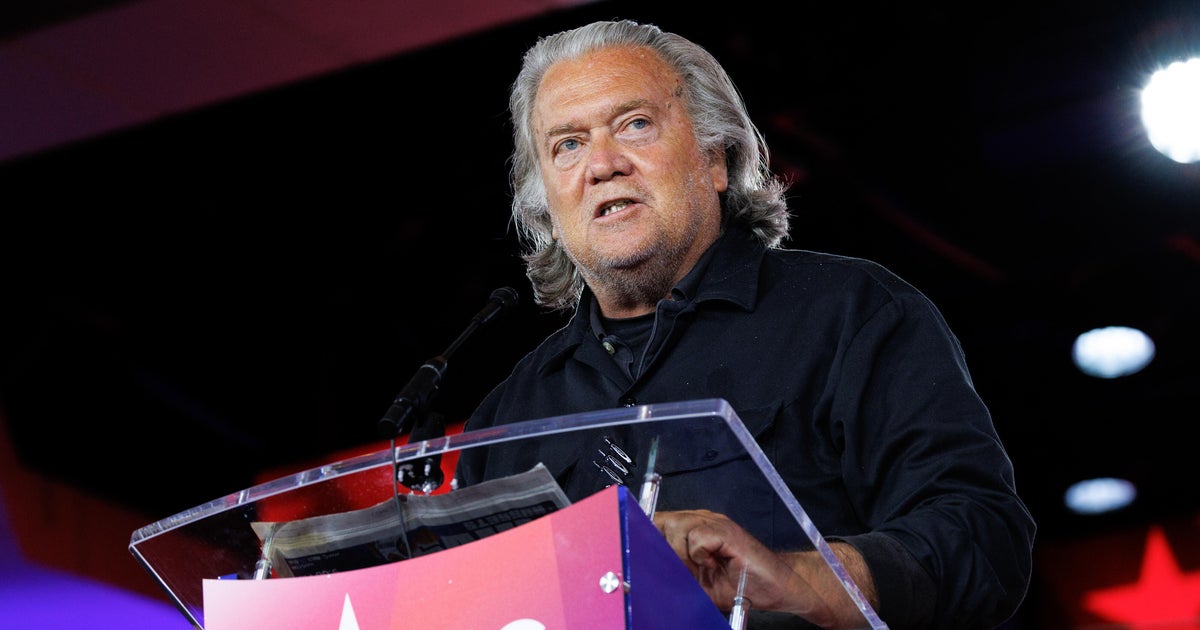
Steve Bannon defied a congressional subpoena from the January 6 committee in 2021, was convicted of contempt of Congress, and served four months in prison. In April 2026, the Supreme Court vacated his conviction after the DOJ. now under the Trump administration. requested dismissal, citing a question about whether Bannon's defiance was 'willful.'
Steve Bannon defied a congressional subpoena, was convicted, served prison time, and has now had his conviction vacated at the administration's request. meaning defying Congress has a cost of exactly zero for anyone close enough to the executive branch to get the DOJ to clean it up.
Prediction Markets
Prices as of 2026-04-08 — the analysis was written against these odds
The Hidden Bet
The 'willfulness' question is a genuine legal issue that explains the Supreme Court's action.
Bannon's claim that his lawyer told him executive privilege covered the subpoena was available as an argument during his 2022 trial, when the Supreme Court denied his stay request and let him go to prison. The legal argument did not improve. What improved is the composition of the government. The 'willfulness' framing is a procedural vehicle for reaching a political outcome that could not have been achieved through direct pardon without political cost to Trump.
The executive privilege argument is valid because Bannon was acting in coordination with the president.
Bannon was a private citizen at the time of the events the subpoena covered. He had been fired from the White House in 2017. Executive privilege protects communications within the executive branch. it has never been extended to cover private citizens who once worked for the president. The Supreme Court's decision to clear the case without addressing this threshold question is significant: the Court avoided writing an opinion that would have had to explain why a private citizen can invoke executive privilege to defy Congress.
This decision is specific to Bannon's case and doesn't set a broader precedent.
The Court vacated the conviction with no noted dissents and no written opinion. That means there is no limiting principle on the record. Any future Trump ally who defies a congressional subpoena citing executive privilege. regardless of whether they currently work in the executive branch. can point to this outcome as evidence that the DOJ can and will clean up the conviction later.
The Real Disagreement
The fork is whether Congress's contempt power means anything when the executive branch controls both the prosecution and the dismissal. The institutional view says this is a temporary aberration. a future Congress and DOJ will reassert the contempt mechanism. The structural view says the constitutional design is exposed: congressional contempt requires DOJ prosecution, which means it only works when the executive and legislative branches are adversarially aligned. When they are aligned. as they are now. contempt is an unenforced rule. The structural view is more accurate and more damaging. A constitutional power that only functions conditionally on political alignment is not a power. it is a polite request. What you give up: the argument that Congress could develop its own enforcement mechanism through inherent contempt, which does not require DOJ cooperation but has not been used since 1935.
What No One Is Saying
Bannon already served the sentence. The conviction is being vacated retroactively for someone who completed the punishment. There is no injustice being corrected. Bannon is not wrongly imprisoned. The vacatur is purely symbolic and precedent-setting: it says that convictions for defying Congress can be erased by a subsequent sympathetic administration. That transforms contempt of Congress from a risk into a delay mechanism. You defy the subpoena, wait out the administration, let the DOJ collect the conviction, serve if necessary, and then get the next administration to erase it.
Who Pays
Future congressional committees investigating executive branch conduct
Immediate; the incentive structure changed the day the Court acted
Any witness close to the executive branch now has a rational strategy: defy the subpoena, assert privilege, delay prosecution, and wait for the political climate to shift. The cost of defiance is no longer a permanent conviction. it is a temporary inconvenience if your political allies win the next election
Witnesses and cooperators in investigations of executive allies who testified truthfully
Already realized; retroactive reputational cost on those who cooperated
People who complied with congressional subpoenas during the Jan. 6 investigation when they could have defied them. and who faced political and professional costs for testifying. now see that defiance was the more rational choice
The Jan. 6 committee's investigative record
Permanent; this evidence is gone
The gaps created by Bannon's defiance remain in the record. The communications Bannon refused to produce were never recovered. Vacating the conviction does not produce the documents or testimony. the investigative record stays permanently incomplete
Scenarios
Precedent Solidifies
The case proceeds to dismissal in the DC Circuit. No written opinion on the executive privilege question is ever produced. Future executive branch allies who defy congressional subpoenas cite the Bannon outcome as proof that the risk is manageable. Congressional contempt authority becomes a dead letter for anyone connected to a friendly executive.
Signal Watch whether the DC Circuit produces any written opinion on the executive privilege question when dismissing the case. a detailed opinion sets limits; a bare dismissal does not.
Inherent Contempt Revived
A future Congress. operating with a legislative majority hostile to the executive. revives the inherent contempt power, detaining witnesses directly through the Sergeant at Arms without DOJ involvement. This is constitutionally available but politically explosive.
Signal Watch for any congressional hearing at which scholars of inherent contempt are invited to testify. that signals a committee is building a legal basis to use it.
Reciprocal Defiance
A future Democratic executive alliance weaponizes the same precedent. DOJ refuses to prosecute contempt citations issued against officials who defy a Republican-controlled committee's subpoenas. Both parties accept the new equilibrium: contempt only works when the same party controls both branches.
Signal Watch for the first instance where a Democratic-aligned DOJ declines to bring contempt charges against a Democratic official who defied a congressional subpoena. that's the moment the precedent is mutually accepted.
What Would Change This
If the Supreme Court had issued even a brief opinion explaining the legal basis for vacating the conviction. rather than acting by brief order with no noted dissents. it would have constrained future use of the same mechanism. The Court's silence is a deliberate choice to leave the door open without writing the reason. Evidence that this is limited: if the DC Circuit writes a detailed opinion on remand explaining exactly what must be shown for executive privilege to defeat a congressional contempt charge. That opinion has not yet been written and may never be.
Related
The Supreme Court Refused to Save Apple's App Store. The Consequences Are Still Loading.
powerMifepristone Can Be Mailed Today. By Monday, It Might Not Be.
powerThe $166 Billion Tariff Refund Is Starting to Pay Out
power$175 Billion in Tariff Refunds Are Starting to Flow. The Fight Over Who Gets Them Is Just Beginning.