The Supreme Court Refused to Save Apple's App Store. The Consequences Are Still Loading.
What happened
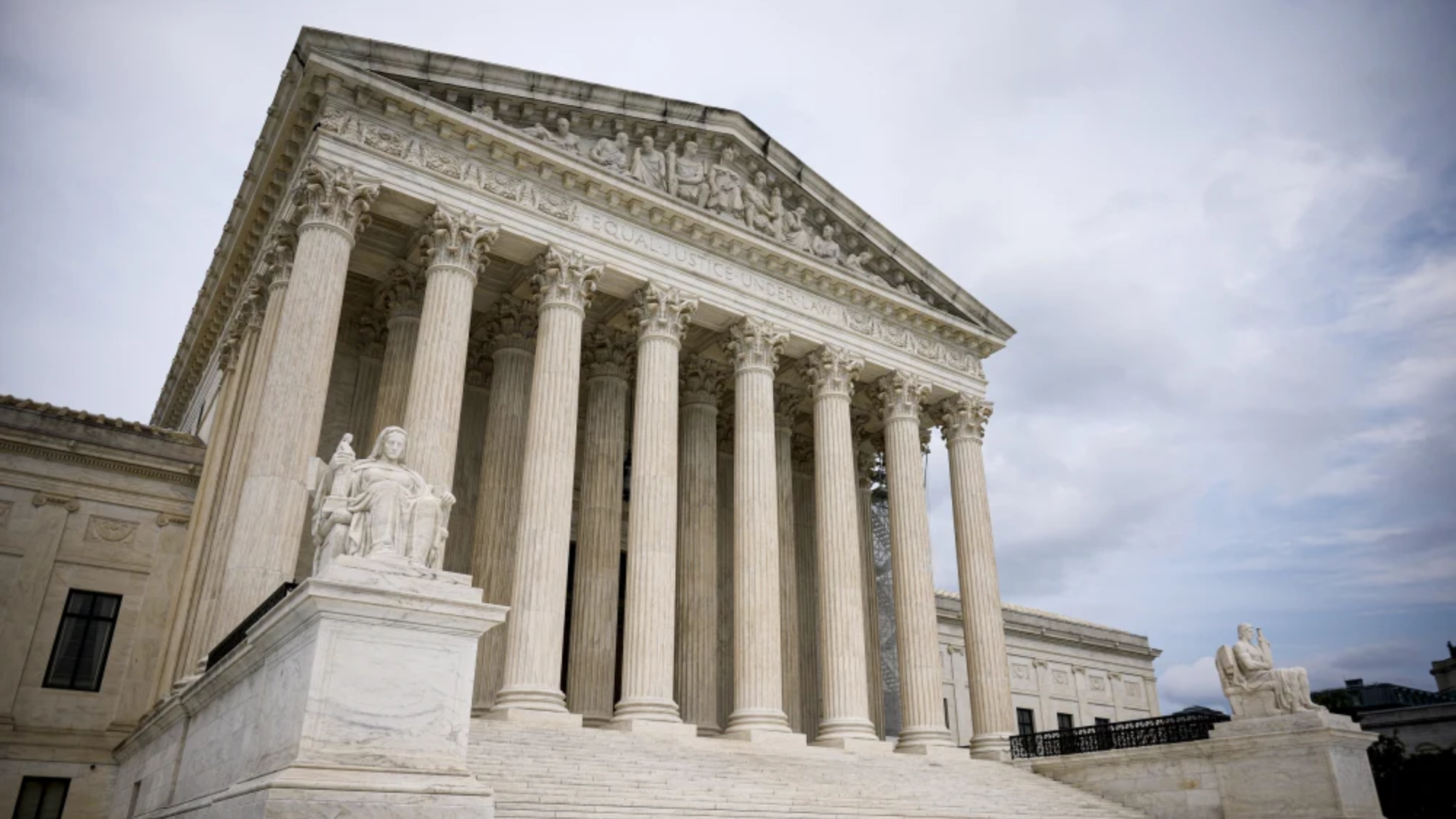
The US Supreme Court on May 9 denied Apple's emergency request to stay a lower court order in the Epic Games antitrust case, refusing to block a ruling that requires Apple to allow iOS developers to link users to external payment processors and bypass the App Store's 15-30% commission. The denial was issued without comment, meaning the Ninth Circuit injunction against Apple is now in effect. Within the same week, a Canadian software company called Rave filed a separate federal antitrust lawsuit alleging Apple removed its co-viewing app from the App Store in 2025 to promote its competing SharePlay feature. The European Commission simultaneously continued its own investigation into Apple's App Store compliance under the Digital Markets Act.
Apple spent four years and hundreds of millions in legal fees to protect its App Store commission, and the Supreme Court just declined to save it. The 30% take is gone from external-payment transactions, and the decision has now handed every developer Apple has ever removed a legal template.
The Hidden Bet
The ruling only affects how developers link to external payments, not the 30% commission itself
Once developers can direct users outside the iOS payment system, the commission becomes voluntary. A developer who processes payments directly charges less and wins users. Apple's 30% rate was never about the payment processing cost. It was about control. The court has cut the enforcement mechanism, not just the rule.
Apple will comply with the injunction while continuing to fight in other venues
Apple's pattern has been maximum delay, minimum compliance. The company spent over a year after the 2021 district court ruling violating the injunction in ways that courts later found were intentional. A contempt finding, not just a lost appeal, is the mechanism that would actually force compliance. The Supreme Court denial does not end the compliance fight.
Google's earlier settlement with Epic sets the template for how platforms respond to antitrust pressure
Google settled after losing in a jury trial. Apple lost in a bench trial, appealed, won on some points, lost on others, and has now failed at every level up to the Supreme Court. Apple's bet was on a different legal theory: that its App Store is not a monopoly market. That theory has now lost in every federal court. Settlement does not follow automatically; Apple may continue litigating while implementing minimal changes.
The Real Disagreement
The core tension is between two claims that are both defensible: Apple built the iOS ecosystem at enormous cost and deserves to extract value from it through its payment infrastructure; and companies that achieve monopoly control over a distribution channel cannot use that control to price out competition in adjacent markets. Both cannot be fully true. A developer cannot both acknowledge Apple's investment in building iOS and also accept Apple's right to extract a toll on all commerce that happens within it. The lean is toward the developers: Apple's commission rate was set at a level that reflects market power, not cost. If Apple had competitors in mobile operating systems at the relevant moment, the rate would be lower. It is not. Giving this up means Apple earns less from the App Store, which is real, but the alternative is permanent platform monopoly rents that no competitive market would sustain.
What No One Is Saying
Apple's strategy for the past four years has been to make compliance with antitrust rulings expensive enough for developers that they do not bother. The anti-steering provisions Apple built after the 2021 ruling required developers to use Apple-specific wording, specific button placement, and scared users with warning dialogs about leaving the safety of the App Store. The Supreme Court denial means those workarounds are now under scrutiny. The real question is not whether Apple opens its payment system. It is whether Apple engineers compliance or performs it.
Who Pays
Small app developers, particularly gaming studios
Ongoing loss is now stopped, but historical extraction is permanent
They paid Apple 15-30% on every transaction for years and cannot recover those payments retroactively. The ruling is prospective. The money already extracted stays extracted.
Apple shareholders
Gradual over 12-24 months as developers update their apps and user behavior shifts
Services revenue, which includes App Store commissions, has been a primary growth driver. Any sustained shift by developers to external payments reduces take rate and margins on the highest-margin segment Apple operates.
Consumers using iOS
Near-term, if Apple complies in good faith; uncertain if Apple pursues friction-by-design
In-app prices should fall as developers keep more of each transaction. The countervailing risk is that Apple degrades the UX of external payment flows enough to offset the savings.
Scenarios
Technical Compliance, Real Friction
Apple implements external payment links as required but makes the user experience for leaving the App Store payment system sufficiently alarming that most users abandon the process. Take rate falls modestly; developers who push hard see gains but casual developers do not bother.
Signal Apple's implementation of external link warnings is challenged in contempt proceedings within six months of rollout
Cascade of Litigation
Rave's lawsuit is the first of dozens. Every developer Apple removed or penalized in the last five years files suit using the Epic precedent. Apple spends billions in legal fees across parallel litigation while trying to hold the fee structure together in other markets.
Signal More than ten new antitrust lawsuits against Apple are filed in federal courts before the end of 2026
Negotiated Restructuring
Apple settles with the major litigants, accepts a lower commission rate (perhaps 12-15%) and eliminates anti-steering provisions voluntarily in exchange for dropping contempt proceedings. Models itself on Google's approach after losing the Epic jury trial.
Signal Apple announces a new App Store fee structure before its September developer conference
What Would Change This
If the Supreme Court later agrees to hear the case on merits, the ruling could be revisited. But the court declined to even stay the injunction pending appeal, which strongly signals they do not see this as a close question. What would change the bottom line: evidence that the Ninth Circuit's market definition was wrong and that Apple does face real competition from non-iOS platforms. That argument lost at trial, on appeal, and now at the emergency stay level. It is not gaining traction.
Related
SCOTUS Lets Apple's Contempt Finding Stand. Now a Judge Gets to Set the Rules.
powerMeta Is Giving Rival AI Chatbots Free WhatsApp Access for One Month to Avoid a Fine It Cannot Afford Politically
powerApple Just Ended ChatGPT's Exclusive Status. OpenAI Should Be Worried.
powerMifepristone Can Be Mailed Today. By Monday, It Might Not Be.