Von der Leyen Wants to Delay Children's Access to Social Media. The Question Is Delay It Until When.
What happened
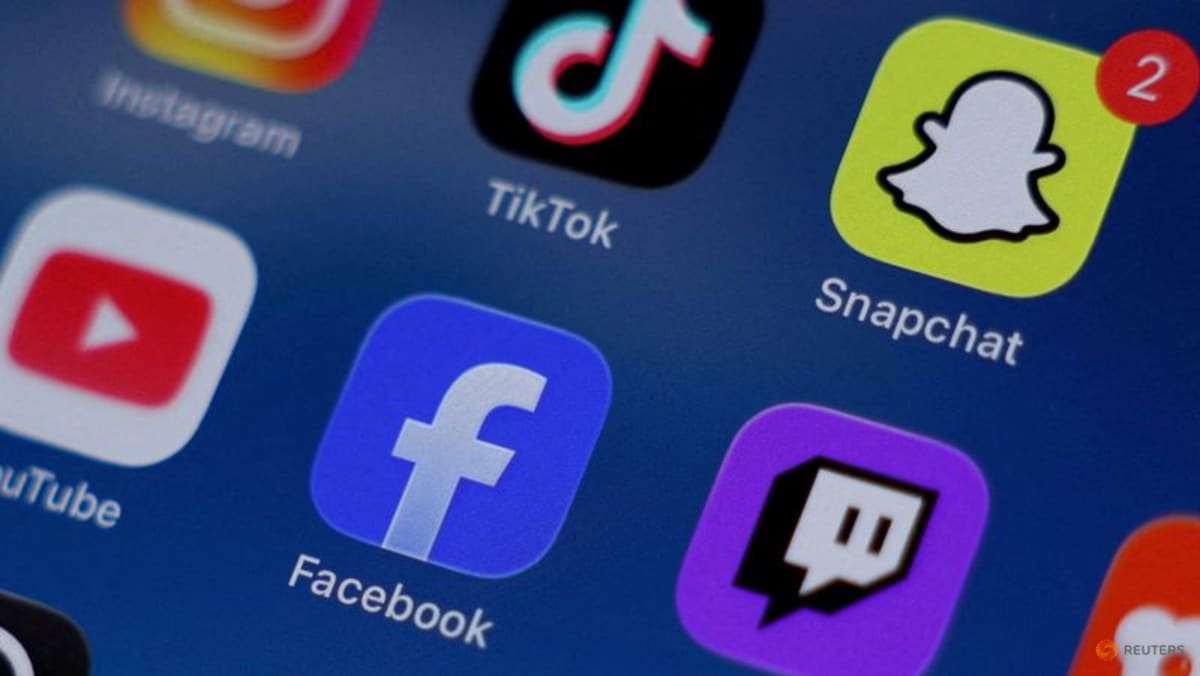
European Commission President Ursula von der Leyen announced Tuesday at the European Summit on Artificial Intelligence and Children in Copenhagen that she is commissioning an expert panel to report by July on minimum age requirements for social media, with a possible legal proposal by summer. The EU Commission has already developed a zero-knowledge cryptographic age-verification app it calls ready for member-state deployment. Ten EU member states including France and Spain are already moving independently: France banning under-15s, Spain under-16s, with several others drafting rules at different thresholds. The EU Commission simultaneously has active investigations against Meta, TikTok, X, and Snap under the Digital Services Act for failing to protect minors.
The EU is not banning children from social media. It is creating an age-verification infrastructure that governments will eventually use for much more than age, while calling it child safety.
The Hidden Bet
The goal is protecting children from addictive design
An age-verification system built at the operating-system level, integrated into digital wallets, and enforced by platforms creates a persistent identity layer for everyone who uses the internet in Europe. The child safety framing is politically unassailable, but the infrastructure being built is universal. TNW's own reporting notes that privacy advocates warn such systems 'drift toward identity-verification over time.'
Platform self-regulation has failed and government intervention is the only option
The GLAAD index gives TikTok a 56 out of 100 on safety while Meta and X score 29. TikTok's relatively better performance suggests platforms can moderate effectively when the incentives align or enforcement pressure is real. The DSA already requires risk assessments; the question is whether the Commission enforces existing rules or adds new ones.
A single EU minimum age will be cleaner than 27 national rules
Ten countries are already moving at different speeds with different thresholds, and their laws will remain in force regardless of what Brussels decides. The EU rule adds a layer rather than replacing national rules. The result is likely to be a floor, not a ceiling, with compliance obligations stacked rather than harmonized.
The Real Disagreement
The real tension is between child safety and LGBTQ youth safety. The GLAAD report documents that blanket age bans, like Australia's, disproportionately harm LGBTQ youth who use social media as their primary community and safety resource. A teenager being bullied at home for being gay, in a conservative rural area, whose lifeline is an Instagram group, loses that lifeline under the same rule that's supposed to protect them. This is not a theoretical trade-off. Both the harm of addictive design and the harm of forced isolation are real. The EU cannot eliminate one without amplifying the other. Von der Leyen's framing, 'whether social media should have access to young people,' makes it easier to ignore this.
What No One Is Saying
The companies being investigated under the DSA for failing to protect children are the same companies being asked to implement age verification. Meta has every incentive to support age verification because it creates a verified identity layer it can monetize, reduces its liability exposure, and raises the barrier to entry for competitors. The Commission is asking Big Tech to build a panopticon and calling it child safety.
Who Pays
LGBTQ youth in conservative environments
Immediately upon any age restriction taking effect
Age gates remove access to peer communities, crisis resources, and identity affirmation that are unavailable in their physical environment. The harm is invisible to the policy process because no one in power is measuring it.
European citizens
Over the next 5-10 years as infrastructure matures and regulatory scope expands
Age-verification infrastructure built for children becomes the template for age-gating adult content, political content, and anything else governments designate as requiring identity verification. The technical substrate, once built, is repurposable.
Smaller platforms and non-EU competitors
Within 2-3 years of any mandatory implementation
Compliance costs for age verification at OS level are manageable for Apple, Google, and Meta but prohibitive for smaller platforms, raising barriers to entry in the European market and concentrating the market further.
Scenarios
Fragmented enforcement
The EU Commission proposes a 15 or 16 minimum age. Member states with lower thresholds claim their laws are more protective and remain in force. Age verification is implemented inconsistently across member states. Platforms comply with the highest standard to avoid liability.
Signal Commission legal proposal explicitly states it sets a floor rather than a ceiling, allowing stricter national rules
Platform resistance drives teens to unregulated services
Meta, TikTok, and X implement age gates. Teenagers use VPNs, borrow accounts, or migrate to unmoderated platforms without DSA obligations. Self-harm content and radicalization move from regulated to unregulated spaces. The policy creates the problem it was solving.
Signal App stores report a spike in downloads of non-EU-regulated social platforms among 12-17 year olds
Zero-knowledge system deploys and mission creeps
The EU age-verification app is integrated into digital wallets and becomes the standard for identity verification across European digital services. Within 5 years it is used for age-gating adult content, alcohol purchases, and, eventually, political content.
Signal EU Commission or member state proposes using the age-verification infrastructure for a second use case within 36 months of initial deployment
What Would Change This
If the Commission published binding rules preventing the age-verification infrastructure from being repurposed for non-age-related identity verification, with enforcement mechanisms and criminal penalties, the privacy concern would narrow substantially. The absence of such rules is the tell.
Related
The World Is Copying Australia's Teen Social Media Ban. Australia's Is Already Failing.
ethicsGermany Wants to Ban Social Media for Kids Under 14. The Age Verification Problem Will Break It.
ethicsEvery Government Is Banning Children from Social Media. None of Them Know If It Works.
ethicsThe Ban That Moves Children Underground