The FCC vs. The View, and the Broadcast License as a Weapon
What happened
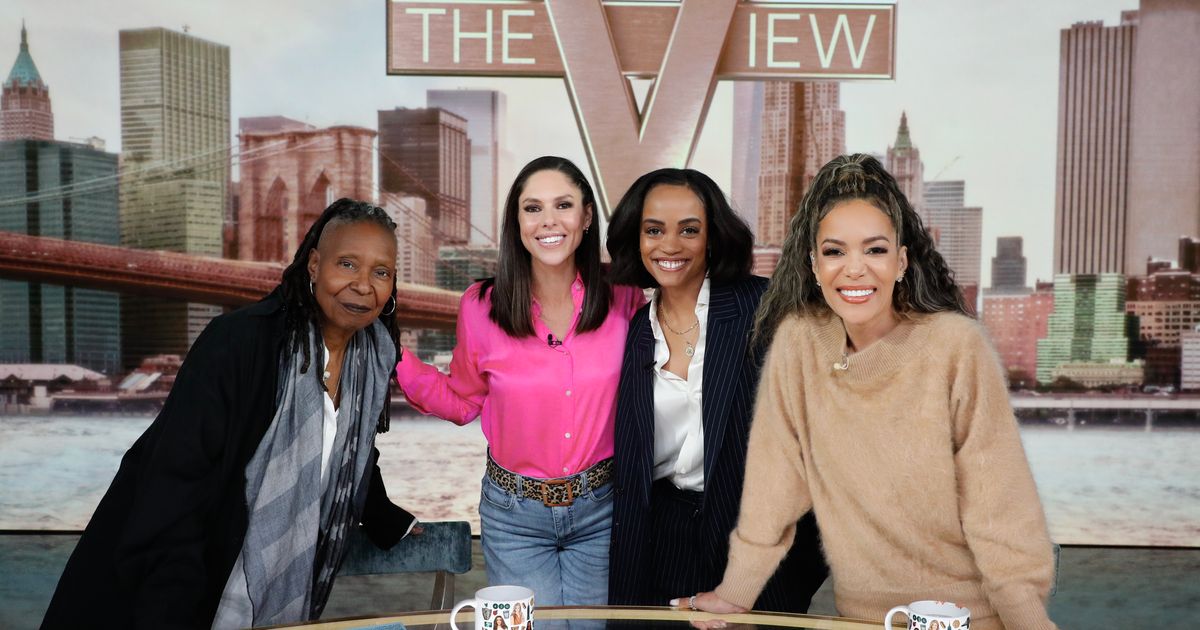
The Trump-appointed FCC chairman Brendan Carr opened an investigation into whether ABC's The View violated the equal-time rule after a Senate primary candidate appeared on the show in February 2026. ABC's 2002 FCC exemption classifying The View as a bona fide news program, which exempts it from equal-time requirements, is now under review. On May 8, Disney-owned ABC filed a formal response accusing the FCC of violating the First Amendment by threatening to overturn decades of settled broadcast law. The FCC also opened a broader review of ABC's broadcast licenses, a move that came one day after Trump and Melania publicly called for Jimmy Kimmel's firing. ABC's filing argues the FCC is 'implementing major shifts in policy and practice' that require full Commission review and court oversight.
The FCC investigation is not really about equal time; it is about whether broadcast licenses can be used as a lever to make networks self-censor, which is a threat that works even if no license is ever revoked.
The Hidden Bet
ABC's First Amendment claim will be vindicated if this goes to court
Broadcast licensees have fewer First Amendment protections than print or online media under existing SCOTUS precedent (Red Lion Broadcasting v. FCC). The government's public interest requirement for broadcast licenses has historically been interpreted to allow content conditions that would be unconstitutional for other media. If the FCC can construct a plausible public interest rationale, a court may uphold it even if the purpose is clearly political.
The FCC needs to revoke a license to cause harm
The investigation itself is the punishment. ABC executives making programming decisions about political guests, hosts, and editorial tone are now aware that those decisions have a direct regulatory cost. The chilling effect is already operating. No license revocation is needed; the investigation's existence plus the possibility of one is enough to change behavior.
This is about The View specifically
ABC's filing explicitly notes the FCC actions extend beyond The View to a broader license review. The Kimmel connection suggests the administration is using whatever regulatory hook is available to pressure any ABC content that generates negative presidential attention. The view is the publicly visible front; the license review is the actual threat.
The Real Disagreement
The genuine fork is between two ways of understanding what the equal-time rule is for. One side holds that applying it to a bona fide news program is plainly outside the rule's purpose, that the 2002 exemption was correct, and that the FCC is acting in bad faith. The other side holds that if the FCC chairman believes The View is producing partisan political content dressed as news, revisiting the news exemption is a legitimate regulatory question regardless of political motivation, and that broadcast regulation has always involved government content judgments. The first side is right on the facts: The View has held the exemption for 24 years, no new evidence has emerged about its content character, and the investigation began 24 hours after a presidential grievance. But the second side is right on the legal mechanism: the FCC genuinely has discretion over news exemptions and that discretion has never been fully tested by courts. The lean: ABC wins in court, but the chilling effect during litigation is real and lasting.
What No One Is Saying
The most dangerous outcome here is not that the FCC wins. It is that networks like CBS, NBC, and Fox draw the lesson that Disney is absorbing litigation costs that they can avoid by simply not producing content that irritates the White House. The investigation of ABC makes every other broadcaster's legal department recalculate the cost of political controversy, before any ruling is issued.
Who Pays
The View hosts and staff
Immediate, ongoing through litigation
Their show is the publicly identified target; regardless of legal outcome, every political booking now involves a calculation about FCC exposure
Other broadcast networks' news and opinion programming
Immediate and slow-burn
Chilling effect: legal departments at CBS, NBC, Fox are now evaluating equal-time exposure on political interview content even if they have never been investigated
Political candidates appearing on broadcast talk shows
Medium-term, most visible during 2026 midterm campaign season
Stations facing equal-time uncertainty will reduce political booking on talk formats to avoid triggering investigations, reducing a platform for candidates who lack large media budgets
Scenarios
Court Blocks FCC Action
A federal court issues a preliminary injunction against the FCC's license review and news exemption reconsideration, finding ABC likely to succeed on First Amendment grounds. The investigation stalls.
Signal ABC files for emergency injunctive relief in federal court within the next 30 days; judge grants TRO
Quiet Capitulation by Others
ABC continues fighting while other networks quietly reduce political interview programming to reduce equal-time exposure. Nobody announces the change; booking patterns shift.
Signal Decline in political candidate bookings on broadcast talk formats over the next 90 days; no public announcement from networks
FCC Drops the Investigation
The administration extracts whatever political benefit it can from the public pressure and quietly lets the investigation close without a ruling. The precedent of opening investigations as punishment is set, and no binding legal answer is ever produced.
Signal FCC staff signals 'no violation found' in a quiet agency letter, with no press release; Carr makes no public statement
What Would Change This
If a federal court finds broadcast licensees have full First Amendment protections equivalent to print media, the FCC's content leverage over broadcast networks collapses. That would require overturning Red Lion or distinguishing it so narrowly as to be functionally overruled. SCOTUS has shown no appetite for that, but the current court's composition makes it worth watching if this reaches the circuit level.