The Pentagon Hired Seven AI Companies. The One That Said No Is Being Sued.
What happened
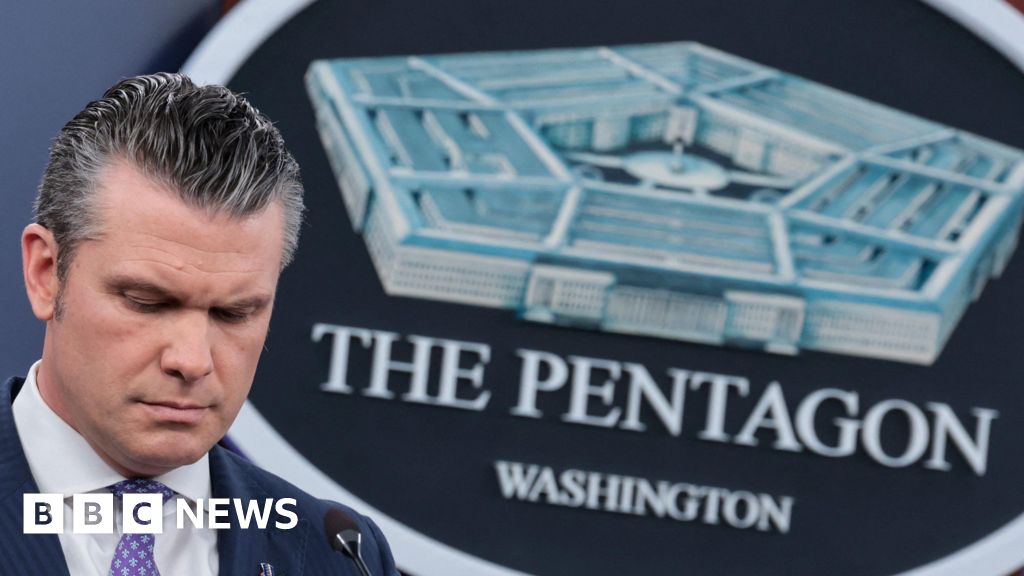
The US Department of Defense finalized eight AI contracts with Google, OpenAI, Amazon, Microsoft, SpaceX, Oracle, Nvidia, and startup Reflection on May 1, 2026. The agreements allow military use of their AI for any 'lawful operational use,' which the Pentagon described as transforming it into an 'AI-first fighting force.' Anthropic, alone among major AI companies, declined, citing concerns about how its tools could be used in warfare and domestic operations. Anthropic is now suing the Pentagon, alleging it is being punished through contract denials and procurement obstruction for its refusal.
Every major AI company except one just agreed to let the US military use its technology however it wants, and the one that said no is being punished for it. The era of AI companies maintaining meaningful ethics boundaries with the US government is over.
Prediction Markets
Prices as of 2026-05-02 — the analysis was written against these odds
The Hidden Bet
The 'any lawful operational use' language is a meaningful constraint
The Pentagon defines what is lawful in operational contexts through internal policy rather than external review. The constraint is circular: the military determines its own legality, so the clause provides no real limit on what these AI systems can be directed to do.
Anthropic's refusal is about principle rather than negotiating position
Polymarket gives 52.5% odds Anthropic signs a Pentagon deal by June 30 and 27% by May 31. The market is pricing this as a dispute heading toward eventual settlement, not a principled permanent stand. Anthropic's lawsuit may be a tactic to negotiate better contract terms rather than a genuine refusal to work with the military.
The Pentagon's 'diverse suite' strategy prevents dangerous concentration
Having eight vendors does not produce diversity of oversight. It produces eight channels through which identical capabilities flow to the same single customer with no civilian accountability. The diversity is aesthetic.
The Real Disagreement
The real fork is whether AI safety is a technical property of a model or an institutional property of the relationship between a company and its customers. The seven companies that signed believe safety is baked into the models: they can hand them over to the Pentagon and the models will refuse genuinely prohibited tasks. Anthropic's position implies the opposite: that safety depends on who controls deployment, and handing control to the Pentagon fundamentally changes the risk profile regardless of what the model can technically refuse. The first position is flatly more profitable. The second is more likely correct. Anthropic is losing revenue to defend a theory it may eventually be compelled to abandon anyway.
What No One Is Saying
The companies that signed are not naive about the implications. They calculated that the US government will eventually compel this integration by regulatory or procurement pressure, and that being inside the process from the start gives them more influence than principled refusal. They are probably right, which makes Anthropic's lawsuit the most expensive civics lesson in tech history.
Who Pays
Civilians in US military operations who encounter AI-assisted targeting
Immediate, given the Pentagon says the contracts are already in effect
AI systems trained on commercial data optimized for performance, not for minimizing civilian harm in combat scenarios, will be used for 'any lawful operational use' including targeting assistance
Anthropic employees and investors
Already underway; the lawsuit suggests the damage has started
Loss of government contract revenue as the Pentagon steers procurement to the seven firms that cooperated; possible exclusion from federal AI programs more broadly if the retaliation suit fails
AI safety research community
Medium-term, as the industry internalizes the lesson from Anthropic's experience
The implicit message from this procurement cycle is that safety objections delay contracts and trigger retaliation. Future companies face an explicit incentive not to raise them.
Scenarios
Anthropic Folds
Anthropic settles its lawsuit and signs a modified Pentagon contract with face-saving language about 'responsible use guidelines.' The distinction between it and the other seven firms disappears. The market's 52.5% June deadline probability looks prescient.
Signal Anthropic drops the lawsuit or files for arbitration instead; any executive comments that shift from 'we refused' to 'we're in discussions'
Anthropic Wins in Court
A federal court finds the Pentagon retaliation actionable. The ruling creates a precedent that tech companies can decline military contracts without losing other government business. Other companies use it as cover to renegotiate their own terms.
Signal A federal judge allows Anthropic's retaliation claims to proceed past the motion to dismiss stage
Regulatory Capture Completes
Congress passes legislation, possibly framed as AI safety regulation, that effectively mandates cooperation with the Pentagon for any AI company seeking federal contracts or operating in regulated industries. The Anthropic exception closes legislatively.
Signal Draft legislation appearing in the Armed Services or Commerce committees that ties AI liability protection to government cooperation agreements
What Would Change This
If evidence emerged that the 'any lawful operational use' contracts included meaningful civilian oversight mechanisms with genuine enforcement authority, the analysis would shift: the contracts might represent a safer integration model than unstructured future coercion. But the Pentagon's framing suggests the opposite: the goal is speed and capability, not accountability.