Meta Is Firing Workers to Pay for the Machines That Will Replace Them
What happened
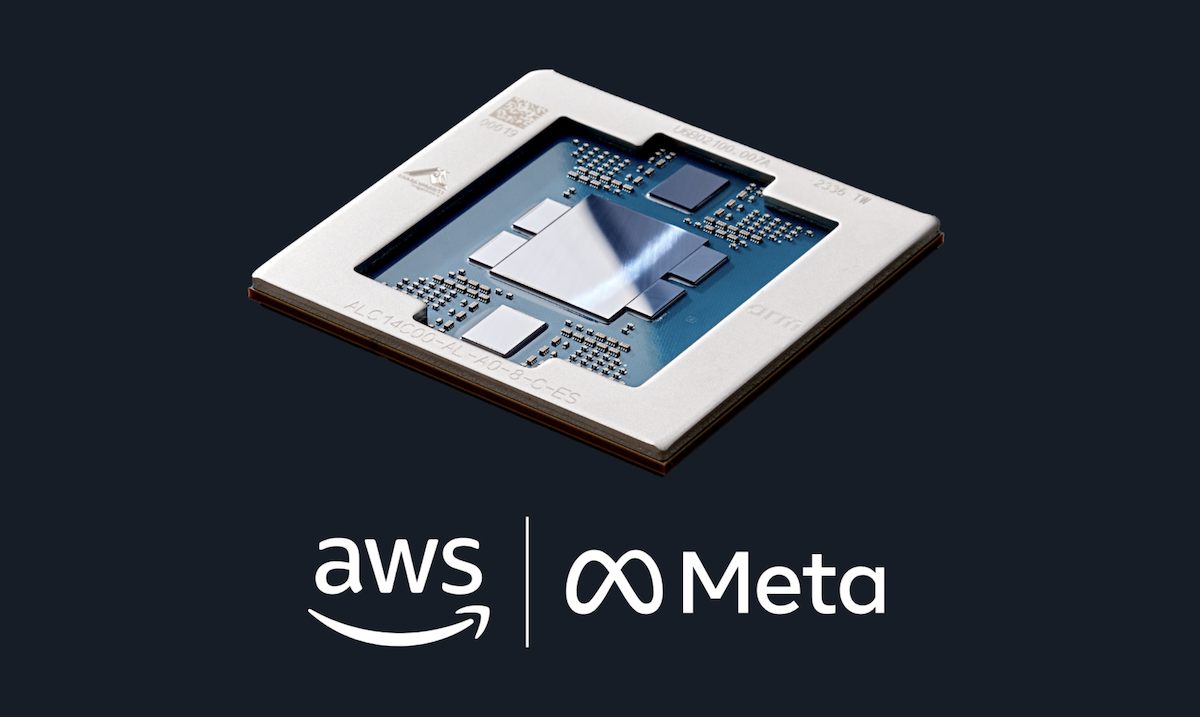
Meta announced it will cut 8,000 employees, roughly 10% of its workforce, effective May 2026, while simultaneously canceling 6,000 open roles. On the same day, Microsoft offered voluntary buyouts to an undisclosed number of staff. Meta's capital expenditure for 2026 is projected at $115-135 billion, as much as the previous three years combined, most of it going toward AI infrastructure. On the same day Meta announced the cuts, it also unveiled a multibillion-dollar deal with Amazon to use tens of millions of AWS Graviton processors for AI workloads.
Meta is not cutting costs. It is reallocating them: from human labor to AI infrastructure, at a ratio that makes the direction of travel unmistakable.
The Hidden Bet
These layoffs are a short-term efficiency measure, not a structural workforce reduction.
Meta's own communications describe the cuts as structural, not performance-based. Teams are being rebuilt as AI 'pods.' Zuckerberg has explicitly said AI will allow 'fewer employees to handle larger workloads.' The cuts are not a bridge to rehiring at the same scale.
AI spending and headcount reductions are separate decisions driven by separate business logic.
They are the same decision. Meta is spending $135 billion on AI infrastructure this year. That capital has to come from somewhere. The workforce reduction is not coincidental to the AI buildout; it is financed by it. The workers are subsidizing the machines.
Worker productivity gains from AI will eventually create new roles at comparable scale.
Meta is installing a workplace surveillance system that captures keystrokes to train AI agents. The point of that system is to make humans redundant to the trained models, not to augment them. Meta is not building AI tools for workers. It is building workers into AI tools.
The Real Disagreement
The fork is between two readings of what is happening. One reading: this is normal corporate restructuring, the kind that has always accompanied technological transitions, and the workers who lose jobs will eventually find new ones as the economy adapts. The other reading: the speed and scale of AI capital deployment is outrunning the economy's ability to absorb displaced workers, and the companies doing the displacing have no incentive to slow down. The first reading requires believing that prior technological transitions are a useful guide here. The second requires believing that AI is different in kind: it replaces cognitive labor, not just physical or routine labor, and it does so faster. The evidence from Meta's own memo, which describes restructuring into AI pods and using captured keystrokes to train replacement agents, is harder to fit into the first reading than its defenders acknowledge. I would lean toward the second reading while granting that the full employment effects will take years to manifest, which means the first reading will look correct for a long time before it doesn't.
What No One Is Saying
Meta is using its own workers' labor patterns, captured through surveillance software, to train the AI agents that will replace them. The employees being laid off in May have already contributed the data that makes their replacements possible. They are not being fired because they performed poorly. They are being fired because they performed well enough to be useful training data.
Who Pays
Mid-level knowledge workers at Meta and Microsoft
Immediate for Meta (May 2026); ongoing at Microsoft as buyout windows close
Direct job loss, with no structural transition support. The roles being cut are not low-skill; they span engineering, operations, and content functions. These workers face a labor market that is simultaneously being restructured by the same forces that cut their jobs.
Workers at companies that follow Meta's model
Next 6-12 months as Q2 earnings season arrives and other companies face the same capex pressure
Meta and Microsoft together cutting 20,000 jobs in a single week establishes a normative benchmark. Other technology companies are watching the market reaction. If the reaction is positive, the layoff-for-AI-investment playbook becomes standard.
Amazon cloud division competitors (Google, Microsoft Azure)
Medium-term as contracts renew
Meta's Graviton deal with AWS, announced on the same day as the layoffs, signals that Meta is deepening its AWS dependency rather than maintaining a multi-cloud strategy. This concentrates cloud revenue at Amazon at competitors' expense.
Scenarios
Normalization
Markets reward Meta's restructuring with sustained valuation gains. Other major tech companies accelerate similar programs through late 2026. The layoffs become a template rather than an outlier, and the political response remains fragmented and delayed.
Signal Meta's stock holds or rises through earnings season. Competitors announce comparable restructuring within 60 days.
Political Backlash
The combination of mass layoffs and record AI investment becomes a legislative target. A bipartisan coalition in Congress introduces an AI displacement tax or mandatory retraining levy. The administration faces pressure to respond before midterms.
Signal A prominent Republican senator breaks with the tech-friendly consensus and introduces legislation within 90 days.
Labor Acceleration
Organized labor at Amazon warehouse facilities, which are now more important to Meta's infrastructure, uses the leverage from Meta's dependency to demand profit-sharing tied to the Graviton deal. The Samsung chip strike (already underway) provides a visible precedent.
Signal Amazon warehouse union locals file unfair labor practice claims citing Meta's AI infrastructure dependency within 60 days.
What Would Change This
Evidence that the AI pod restructuring is creating net new roles at scale, not just concentrating work in fewer hands at higher pay. If Meta's headcount is flat or growing in 18 months despite continued AI investment, the displacement thesis weakens significantly.